
Exploring Boscastle: A Stay at the Historic Wellington Hote
Child of the Fjord: A Return to the Rugged Magic of Boscastle
When you’re a child, some places hit deep. I don’t know why this may be, but it does seem to be the case that some locations can have a profound effect so strong that you remember them many, many years later.
Boscastle is one such place for me. I distinctly recall being stunned by its wild and rugged beauty as a boy. If we ever went to Cornwall on holiday, I was forever pestering my parents about a return visit to this strange, fjord-like indentation on the north coast.
Perhaps that word had something to do with it. I’d read about the drama of Norwegian fjords and rather liked the idea that there were places in this world where the ocean managed to creep deep inside a bold and rocky hinterland.
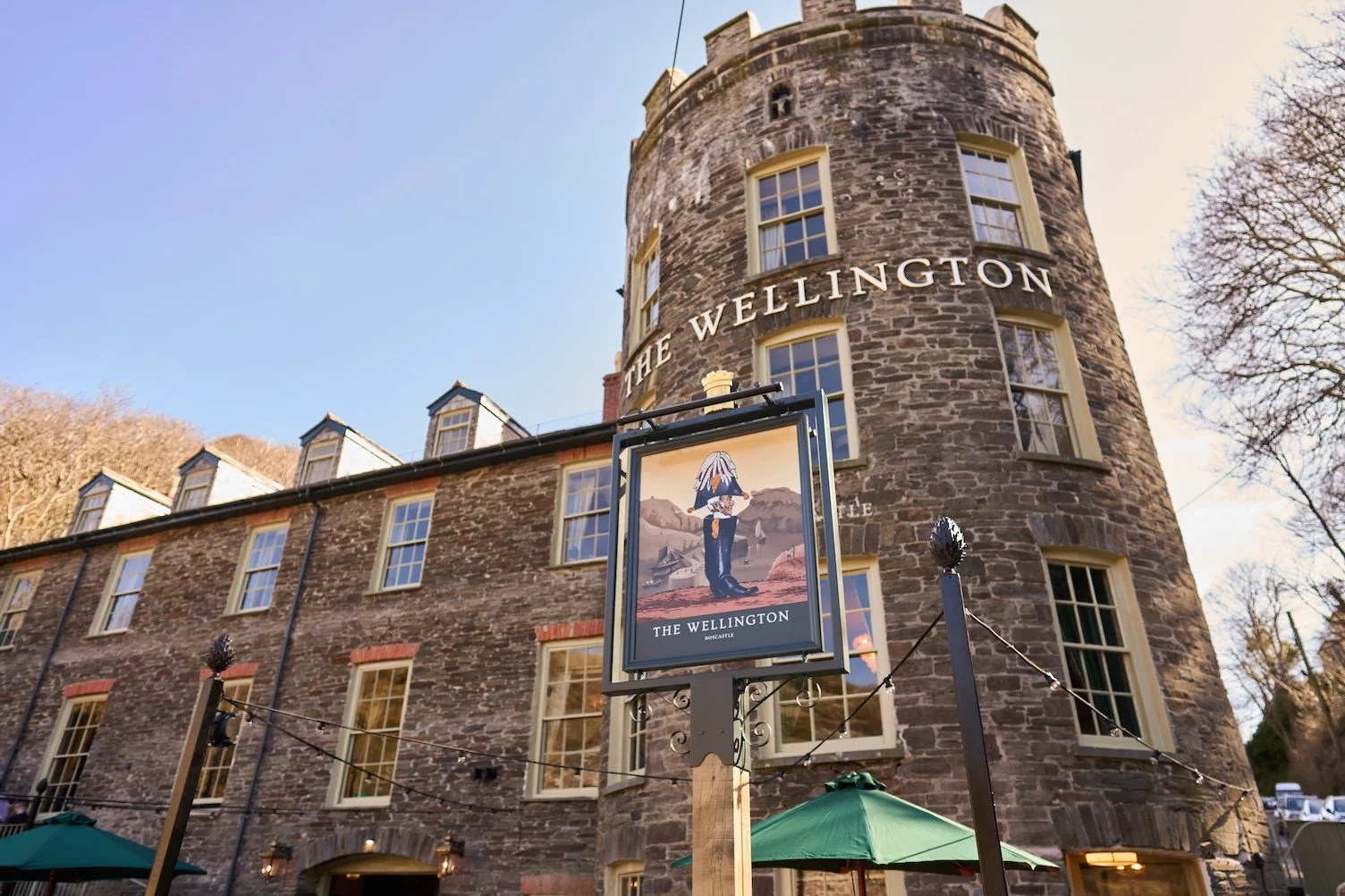
The Wellington, Boscastle
Where Saltwater and Rock Meet
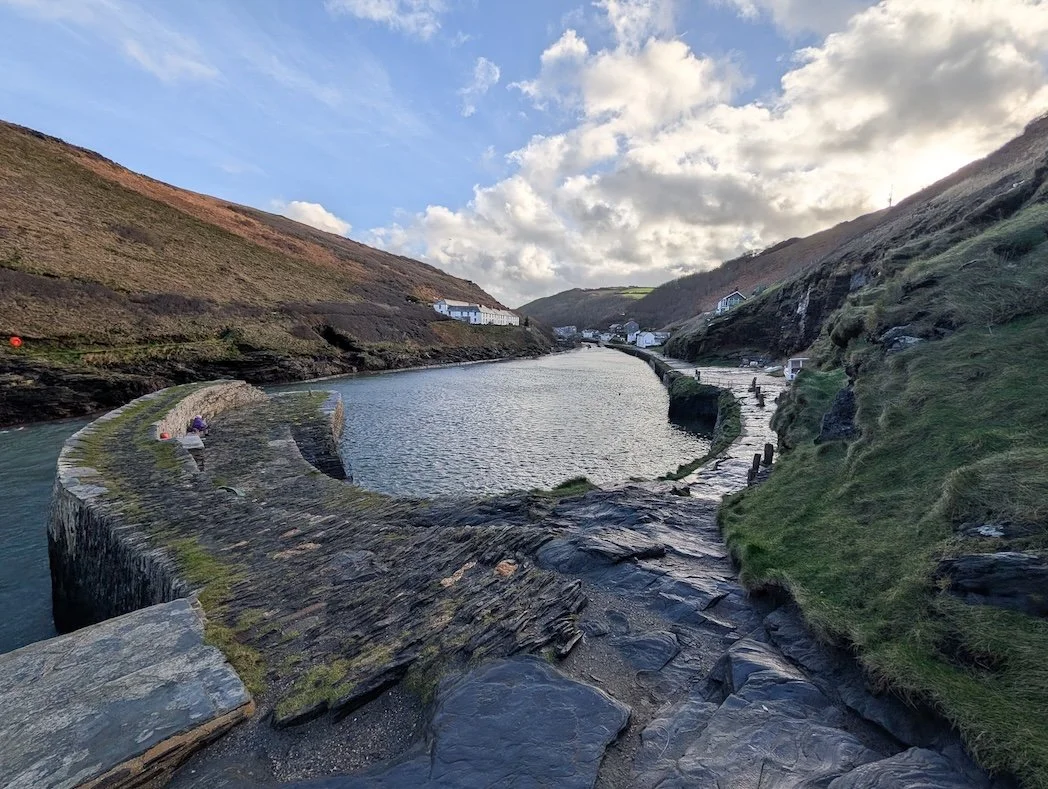
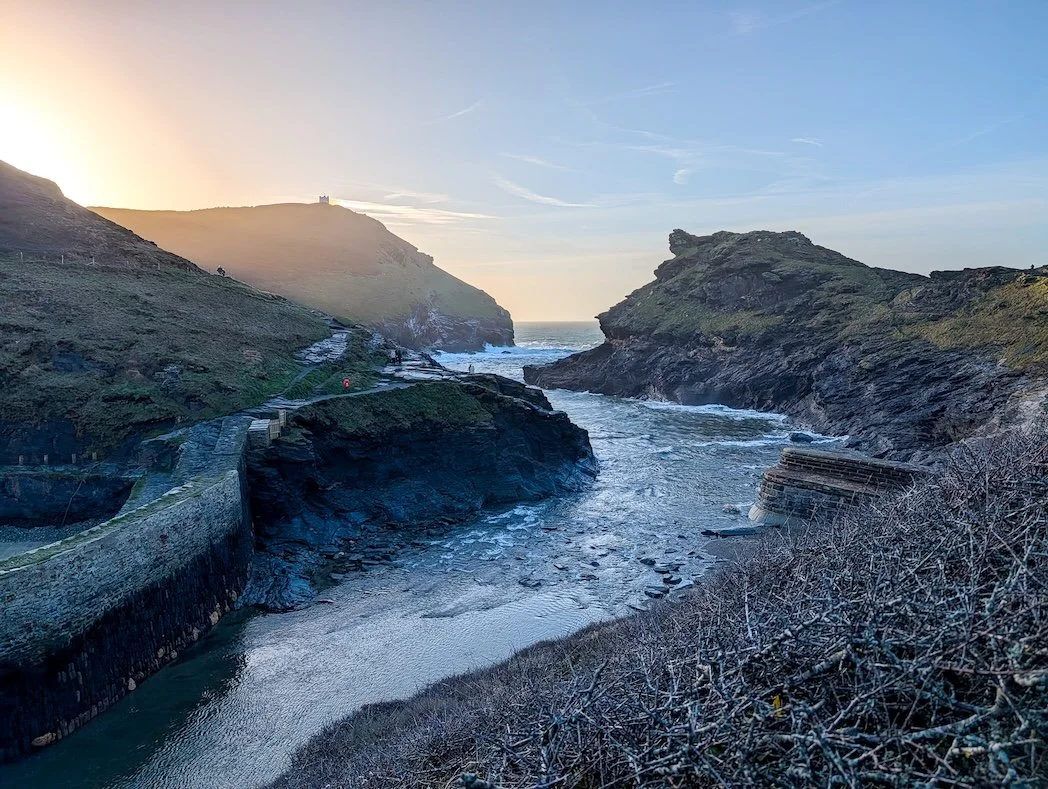
The north Cornish hills are big, but they ain’t mountains—however, they are pretty steep and, where they meet the sea, they are rugged in the extreme. The steep winding valley created by the Valency stream really does allow the ocean to come tip-toeing into this landmass.
The saltwater is like an ambassador from some different and distant land. It allows the onlooker to experience the feeling of being deep within the security of a landmass while at the same time being confronted by the frenetic dance of a vast ocean. Unless you take one of the little paths either side of the harbour, you cannot see that ocean—its wide and wild horizon is hidden from view.
It is a secret place where saltwater and rock play. When there’s been a storm at sea, the blow-hole below Penally Point at the mouth of the fjord puffs great arcs of spray like a dragon. I loved it as a boy, and still feel profoundly attracted to it now. Because not much has changed at Boscastle, and I doubt it ever will.
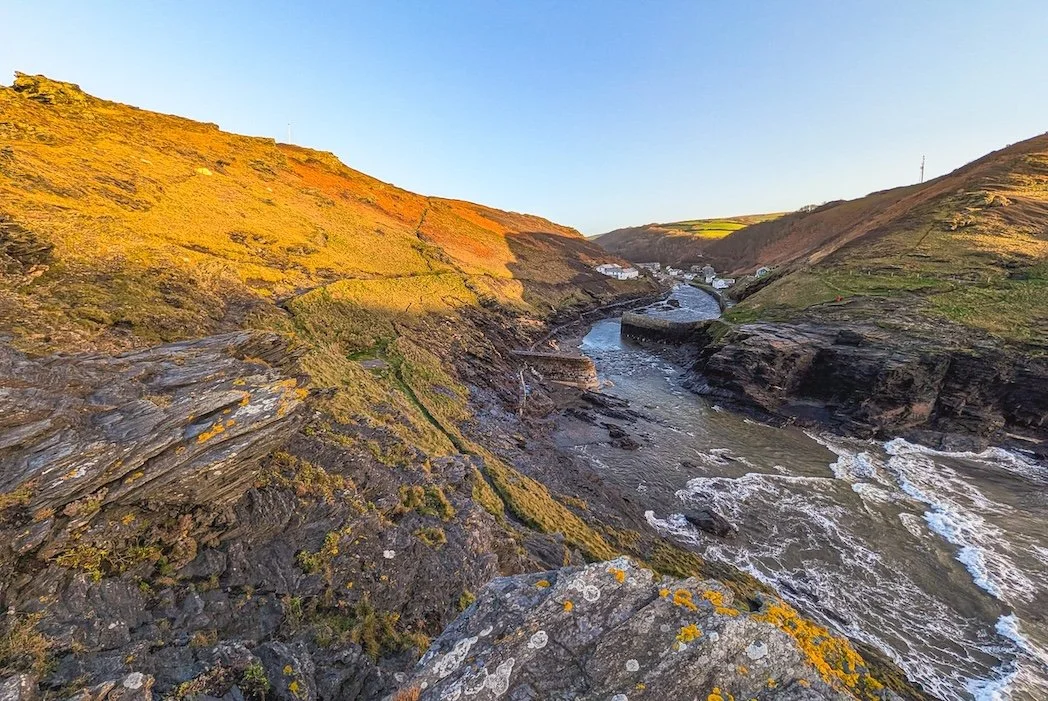
Looking into the ‘fjord’ at Boscastle
The Wellington: A Staging Post for the Centuries
One large and permanent feature that’s been around for centuries is the magnificent old coaching inn. The Wellington has been making guests welcome in Cornwall since the 16th Century. Long before the motor car conquered the Atlantic Highway, it was a vital staging post for weary travellers braving the windswept journey across those north Cornish hills.
The pub is down at the heart of the harbour village, perfectly placed for walks along the South West Coast Path. Recently purchased by St Austell Brewery, the pub now features 14 beautifully refurbished rooms and three apartments—including turret rooms that make the most of the establishment’s castle-like features.
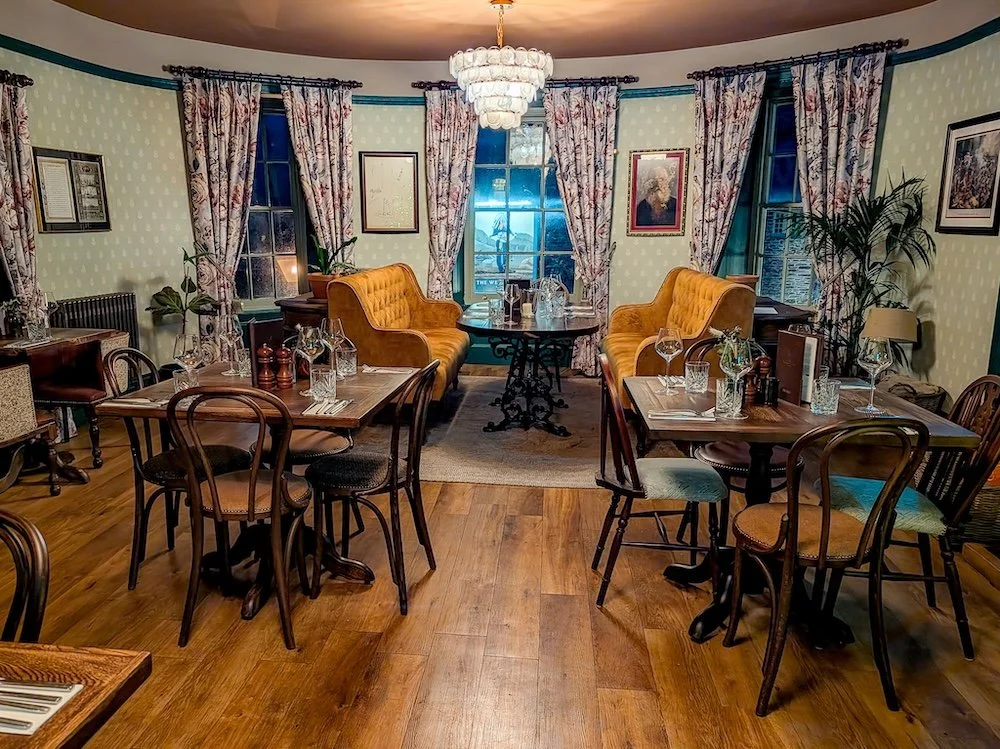
The Wellington, bar area
“The refurbishment takes inspiration from the pub’s woodland and coastal surroundings, introducing dusky greens, warm reds, and burnt yellows to enhance the cosy charm,” says a St Austell Brewery spokesperson.
As has been the case with Hesp Out West visits to other refurbished St Austell properties, The Wellington was no exception when it came to the impressive extent of the work. They have gone the extra mile in retaining that essential "old coaching inn atmosphere."
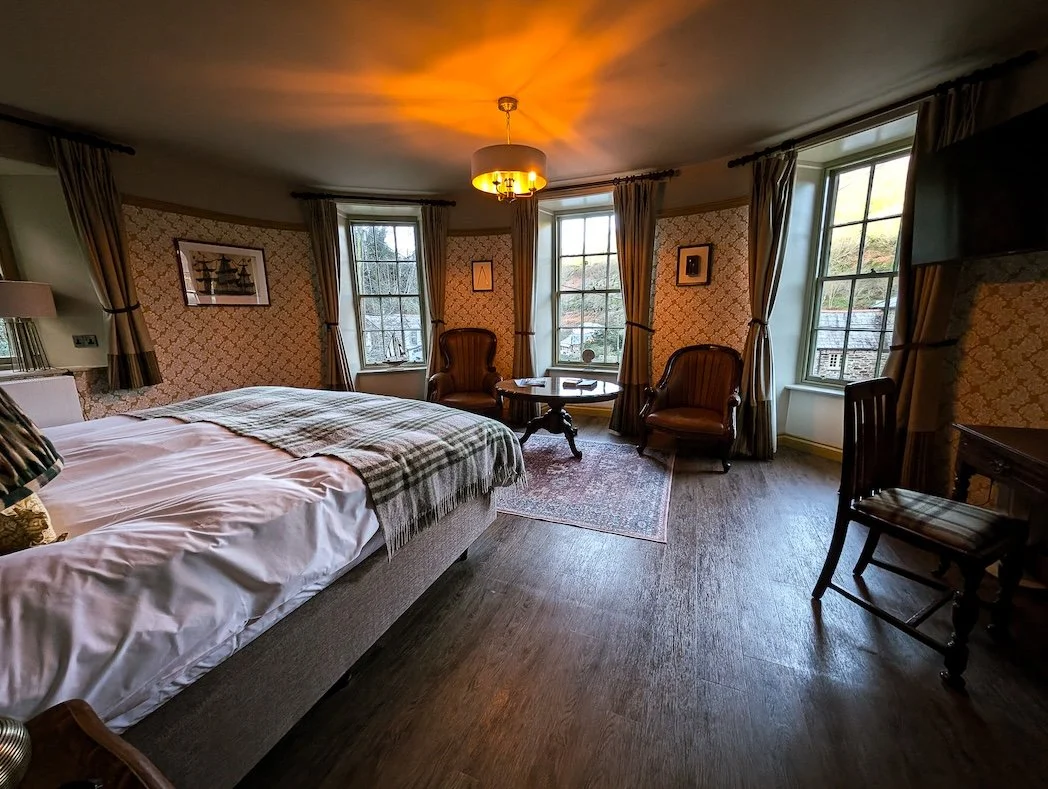
Our comfortable atmospheric room at The Wellie
Walking in the Footsteps of Thomas Hardy
One member of the friendly staff told me the turret room my wife and I were staying in used to be frequented by a certain Thomas Hardy. I could readily believe it. The great writer spent significant time in the area while working as a young architect on local churches, including St Juliot’s, which he saved from dilapidation in 1870.
I’ve often tried to imagine the evening on March 3rd of that year when the young poet arrived at the local rectory to be met by Emma Gifford. The seeds of romance were sown in this remote spot, even if their eventual marriage did not stand the test of time.
The Wellington’s early guest book is a “who’s who” of Victorian heavyweights. Not only did Hardy stay, but King Edward VII and Sir Henry Irving were also said to have found solace here.

Planning Your Visit
We had a marvellous dinner at "The Wellie," followed by a really good breakfast. Our night in the turret room promoted a warm, nostalgic feeling of times-past.
For more information, visit: wellingtonhotelboscastle.com
Current Deal: St Austell Brewery is currently offering Cosy Breaks – 33% off for stays up to 22nd March 2026. Use code: COSY2026 when booking by 22nd February.
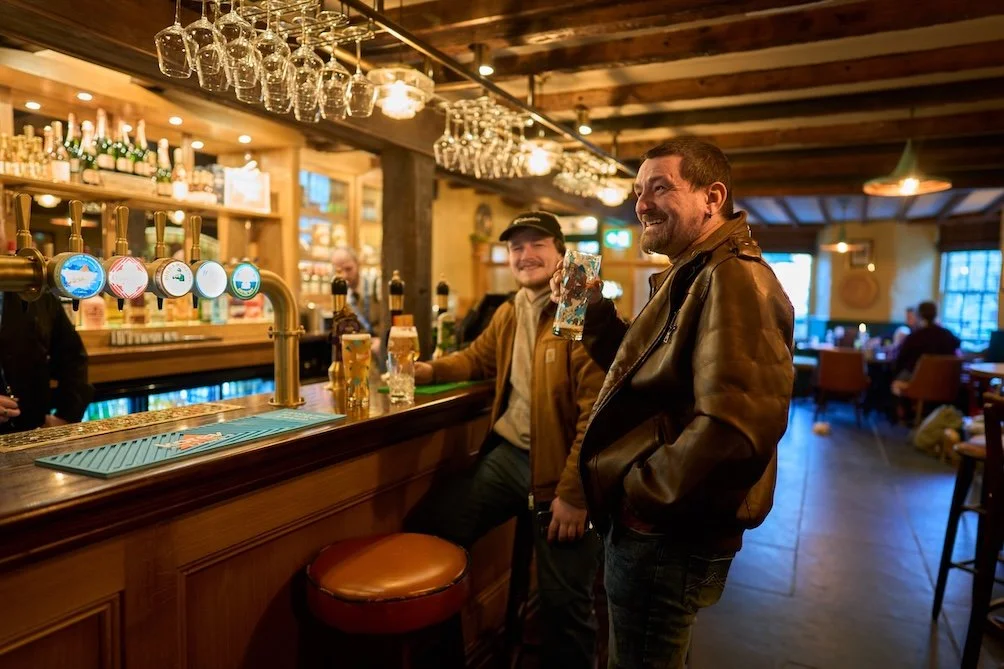
A Brief History of Boscastle’s Secret Harbour
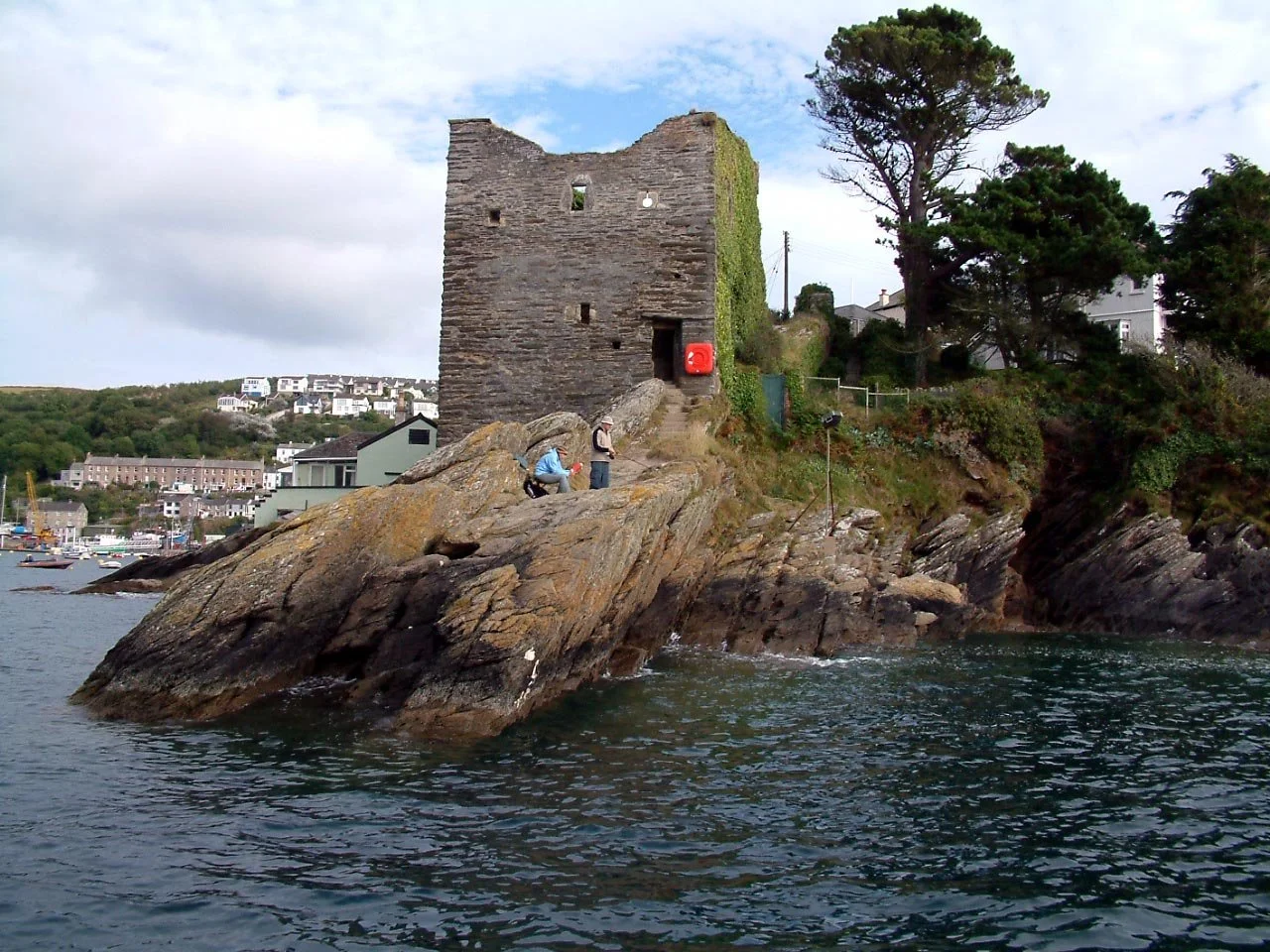
If you’ve got the only navigable inlet along 40 miles of coast, you are always going to be in business. Boscastle made hay for centuries through maritime commerce. In their booklet Brief History of Boscastle, Rod and Anne Knight note that the harbour area was once a hub for fish cellars, smithies, and spirit stores.
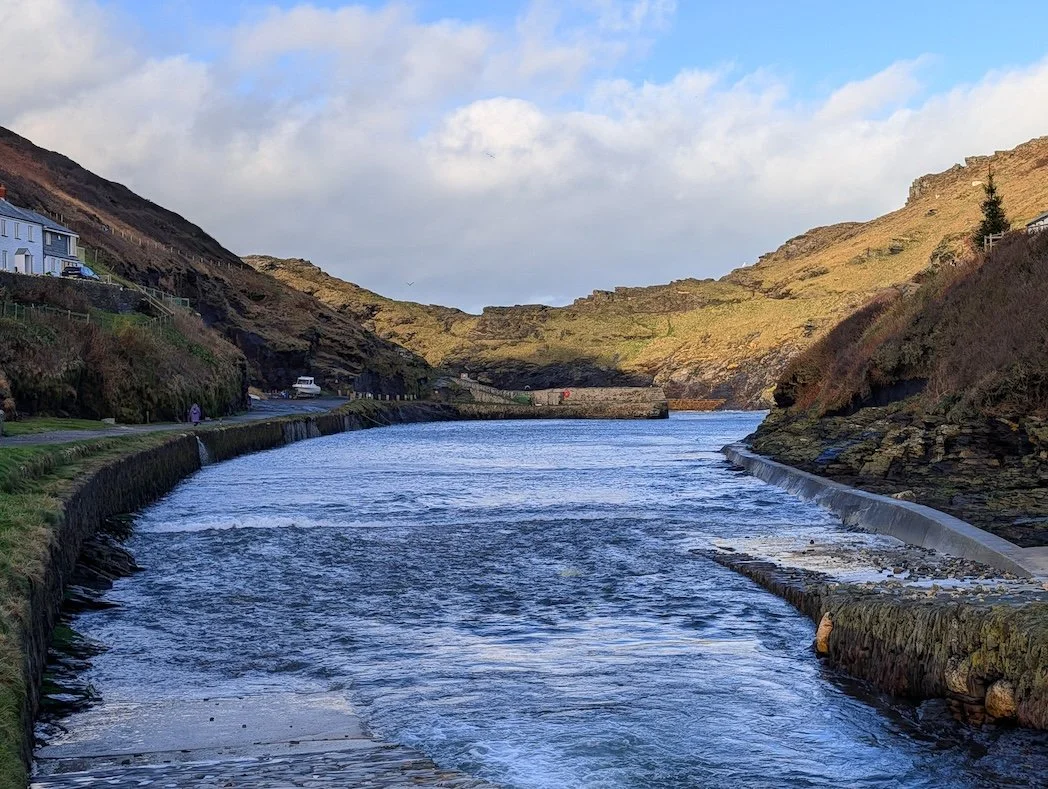
Boscastle harbour
Ancient Roots: Iron Age settlers and Romans have both left their mark here, with over 100 Roman coins found locally.
The Quays: Squire Sir Richard Grenville built the inner quay in 1584. The northern pier was later damaged by a WWII sea mine in 1947 and eventually rebuilt by the National Trust.
The 2004 Flood: While Atlantic storms are common, the "Miracle of Boscastle" occurred in August 2004 when the Valency stream rose after seven-and-a-half inches of rain fell in a few hours. I was one of the first journalists on the scene at dawn the next day, awed by the devastation but relieved that no one perished.