
Amazing European Destinations For Your Next Adventure


Europe may be known for its busy capitals and famous museums, but some of its most unique experiences are found outside the major cities. Regional trains, ferries and local buses lead to volcanic slopes, Alpine lakes and Atlantic coastlines where the day is shaped by walking, rowing or exploring by road instead of moving between indoor attractions.
You do not need to join a large tour or plan every hour in advance. A manageable route, suitable equipment and enough flexibility for changing weather can take you a long way. The five destinations below are suited to independent travellers who want to spend more time outdoors, experience the landscape at their own pace and return with stories that go beyond the standard city break.
Hiking Volcanic Trails and Ancient Temples in Sicily, Italy
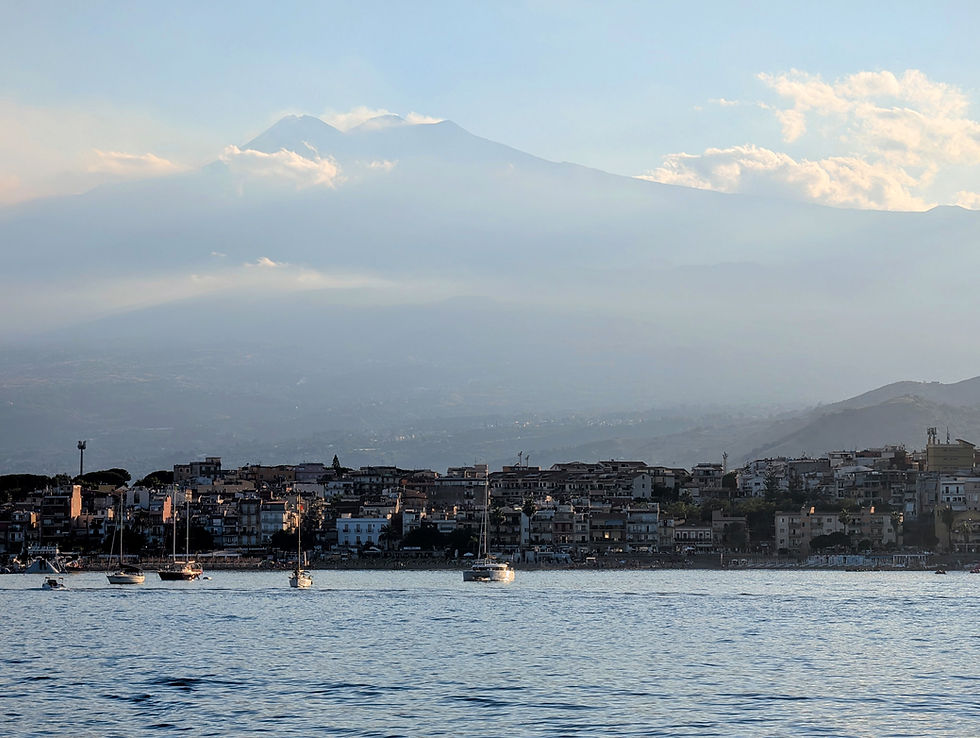
Walking on Mount Etna takes you across black lava fields, old craters and sections of forest that reveal how dramatically the landscape has changed. Lower trails can be explored independently, but access to higher areas depends on volcanic activity, weather and current safety rules. Check the latest guidance before setting out and use a qualified guide where required. Sturdy footwear and layers are essential, as conditions can be much cooler and windier than they are on the coast.
On Sicily’s southern side, the Valley of the Temples provides a very different walking experience. Its principal Doric temples were built mainly during the fifth century BCE and stand along an exposed ridge outside modern Agrigento. The archaeological park covers a large area with limited shade, so in summer, early starts and sun protection are advised. Etna and Agrigento are in different parts of the island, making a split stay more practical than attempting both as short excursions from one base. If you’re considering villas with exclusive private pools, research bases that are ideally split for easier access to the island as a whole.
Rowing to the Island Church in Bled, Slovenia
Getting onto the water is one of the best ways to experience Lake Bled. You can take a traditional pletna, rowed by a trained pletnar, or hire a wooden rowing boat and make the journey to the island yourself. From the landing, 99 stone steps lead to the Church of the Mother of God on the Lake, where visitors can ring the wishing bell. Looking back from the island gives you a clear view of the castle above the shore and the mountains surrounding the lake.
If you still have energy after rowing, follow the marked trail from the Zaka area to Ojstrica. The climb takes around 20 minutes, but it is short, steep and uneven. Vintgar Gorge works well as a separate outing, with paths and boardwalks following the Radovna River between wooded rock walls. Access arrangements and transport can change with the season, so check the current route and shuttle information before setting out.
Walking the Cliffs of Moher Along Ireland's Atlantic Coast
Walking above the Cliffs of Moher gives you a close view of County Clare’s limestone coast, with the Atlantic below and the Aran Islands visible when the weather is clear. The cliffs reach their highest point near O’Brien’s Tower, rising more than 200 metres above the sea. Routes extend from the visitor area towards Doolin and Liscannor, but erosion and maintenance can affect access. Check the official trail information before setting out, follow all barriers and signs, and stay well back from the cliff edge.

When planning a one-week trip to Ireland, it is worth allowing County Clare more than a quick stop between Galway and Kerry. An extra night gives you a better chance of finding suitable walking weather and leaves time to explore Doolin or another part of the Burren. Bring waterproof layers and footwear with reliable grip, even if the morning looks clear. After the walk, Doolin’s pubs provide a warm place for dinner, with traditional music sessions held on selected evenings.
Crossing Wooden Walkways Over Turquoise Lakes in Plitvice, Croatia
At Plitvice Lakes, wooden walkways and marked paths pass beside clear water, forest and a series of waterfalls connecting 16 named lakes. The Upper Lakes sit within a more wooded landscape with smaller cascades, while the Lower Lakes lie within a limestone canyon and lead towards the Great Waterfall. Several routes also include an electric boat across Lake Kozjak or a journey on the park’s panoramic vehicle, so check the distance and estimated walking time before choosing one.
An early entry time can make the paths easier to navigate, but it does not guarantee an empty boardwalk. Tickets are limited by entrance and time slot, making it sensible to book through the official park website before arriving. Wear shoes with reliable grip because wooden sections can become wet, remain on the marked paths and remember that swimming is not permitted. Access to particular routes can depend on weather and seasonal conditions, so check the park’s current information before your visit.
Watching Icebergs Drift Toward Diamond Beach in Iceland
At Jökulsárlón, pieces of ice break away from Breiðamerkurjökull and drift across the glacier lagoon before passing through a short channel towards the Atlantic. Some are then carried back onto Fellsfjara, better known as Diamond Beach, where they rest against the black sand. Their size, colour and number change with the tide and weather, so the shoreline looks different from one visit to the next.
Allow time to walk beside the lagoon before continuing to the beach using the designated paths and parking areas. Seals live around Jökulsárlón and may appear among the ice, although sightings are never guaranteed. On the beach, stay well back from the surf and avoid climbing onto ice blocks, which can move when waves reach them. Warm waterproof layers are useful even in summer, and road and weather conditions should be checked before travelling through southeast Iceland.
Which European adventure calls you first?
Choosing the right destination begins with deciding how you want to spend your days. Sicily lets you divide the trip between volcanic trails and ancient sites, while Bled gives you time on the water and short, steep climbs. County Clare suits longer coastal walks in changeable weather, Plitvice has marked routes around lakes and through forest, and southeast Iceland can be explored through short walks as part of a road trip.
Before booking, compare seasonal access, transport and the equipment each activity requires. Leave some flexibility for weather, especially around Etna, the Cliffs of Moher and Iceland’s south coast. Travelling independently gives you control over the pace, but it also means following local guidance, changing plans when conditions require it and joining a qualified guide where necessary. Start with the experience that excites you most, then build the rest of the trip around it.


