
What to Know Before Choosing an eSim for Global Use


International travel usually depends on stable mobile data access for maps, bookings, and communication. Airports, transit systems, and unfamiliar streets can make reliable connectivity feel essential. Digital SIM technology offers an alternative to physical cards that require swapping. A bit of preparation helps reduce avoidable issues before departure.
Device Compatibility Comes First
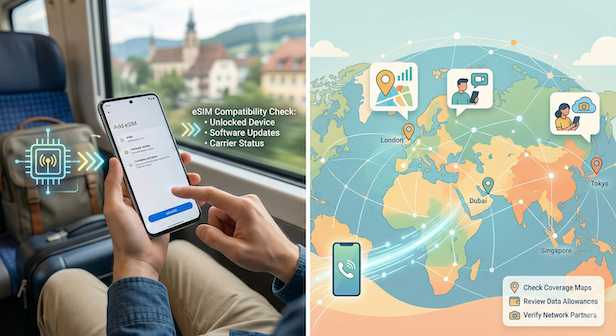
Phone compatibility should always be the first checkpoint before any purchase. A global eSIM works only on devices that support embedded SIM technology and proper software versions. Model type, carrier lock status, and system updates all influence activation success. Checking these details early helps prevent setup problems after arrival.
Unlocked devices usually provide greater flexibility for digital profiles across different regions. Carrier restrictions can block installation on certain handsets even if the device supports eSIM. A quick review of device settings and manufacturer lists can confirm eligibility. This step aids smoother activation once the travel period begins.
Coverage Zones and Network Partners Matter
Coverage differs widely depending on regional agreements between providers and local carriers. Some plans span many countries but connect through different partner networks in each destination. Signal strength, speed, and reliability may vary between major cities and remote areas. Reviewing coverage maps and partner lists helps set practical expectations.
Details Worth Reviewing Before Purchase
Several coverage-related points deserve close attention:
Countries and regions included in the plan
Local network partners in major travel stops
Data speed caps or reduced speed thresholds
Support for hotspot sharing or tether use
These details help match the plan to the travel route and expected device use. Clear information about local networks may help improve reliability across borders. Careful review reduces the risk of weak service in key locations.
Data Allowance and Validity Period
Data volume should reflect how the device will be used during travel days. Map apps, social media, video calls, and cloud services consume data at different rates. Short city stays may require less data than long multi-country trips. Estimating daily use helps avoid unexpected data limits.
Validity periods also vary between providers and plan types. Some packages activate at installation, while others start at the first network connection. Expiry rules determine how long the data remains usable once active.
Check whether validity counts calendar days or usage days
Confirm if unused data rolls over or expires fully
Review top-up options in case data runs low
Note time zone differences that affect expiry timing
Installation Steps and Activation Rules
Setup instructions vary between providers and device types. A global eSIM profile may require scanning a QR code, while other plans use manual entry codes or app-based setup. Stable internet access is often needed during installation to download the digital profile. Completing setup before departure may help improve readiness right after arrival.
Key Points to Confirm During Setup:
Whether WiFi is required for profile download
If multiple profiles can be stored on the device
Steps to switch between primary and travel lines
Instructions for deleting or reinstalling a profile
Activation triggers can differ. Certain plans begin once the profile is fully installed on the device. Others activate only when the handset connects to a supported foreign network for the first time. Knowing the start condition helps manage available days more effectively.
Support Access and Troubleshooting
Support access becomes important if technical issues appear during travel. Chat tools, email help, and knowledge bases aid quick problem resolution. Language options and time zone coverage also matter for support services. Travelers may require help outside regular office hours.
Reliable mobile access has become a key part of modern travel planning. A global eSIM that matches device compatibility, coverage zones, data needs, and support access helps with stable travel connectivity. Technical details reviewed in advance support better preparation before departure.


