
The Real Majorca: High Passes, Hidden Coves, and Forty Years of Island Memories


Fifty years ago, when I first drove a beaten up hire car into the centre of rural Majorca and discovered the livestock market at Sineu, the place smelled of chickens, wet fleece, the leather of mule tack, and cheap local tobacco…
It was a Majorca not seen by the majority of tourists who went there - both back then and now - although things have changed a lot and a great many more people nowadays are looking for an authentic experience when they go abroad.
Back then the average British or German tourist went to the beach, covered themselves in Ambre Solaire, and cooked themselves turning as red or brown as they could stand. The Majorcan package deal was mass tourism at its most relentless... Sunburn, neon-lit strips, and beaches paved shoulder-to-shoulder with identical plastic loungers.
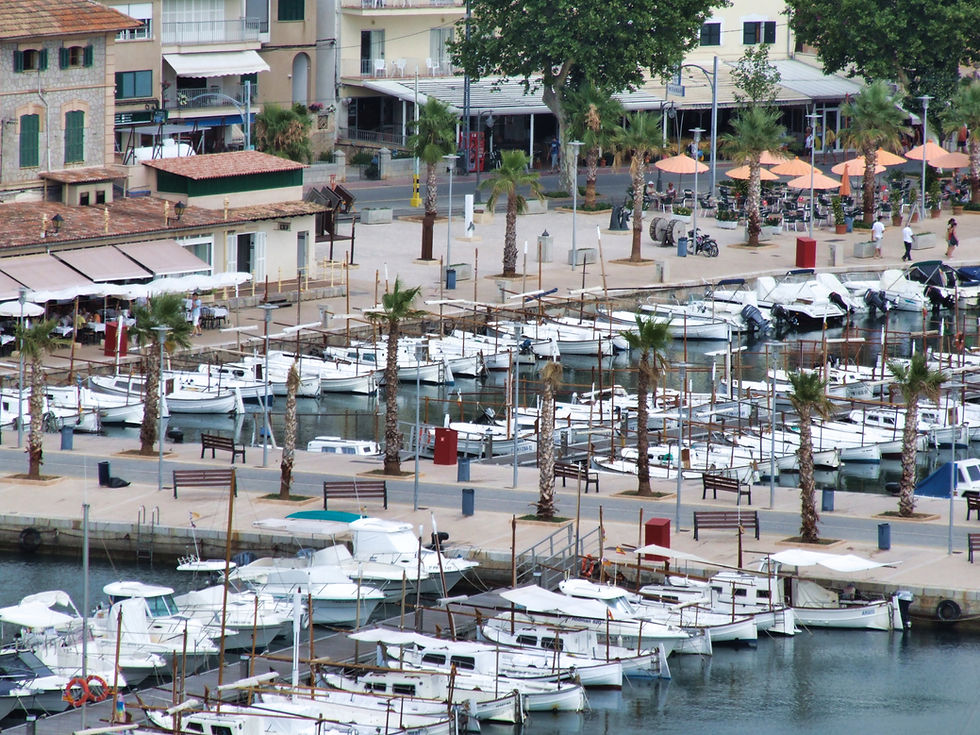
Yet anyone who has ever taken the trouble to steer off the southern motorway network knows the island holds another world entirely. It is a landscape of ancient dry-stone terraces, scent-laden citrus groves, sheep-bells clinking among twisted olive trunks, and the honey-coloured ramparts of the Serra de Tramuntana rising out of a cobalt sea.
Over the decades on our family holidays, we returned to Majorca time and again. We were drawn not by the promise of cheap resort nightlife, but by the quiet dignity of its older quarters, its rugged topography, and what is, hopefully, enduring rural culture.
It is a beautiful and very diverse island.

Under the Shadow of the Tramuntana
Our fondest memories are from a short break we took in Deià, perched high above the sea on the island’s northwest flank. The village is famously linked to the British poet and novelist Robert Graves, who made it his sanctuary for decades. It is easy to see why he stayed - there is a magnetic, magnificent, stillness about the steep terraces.
We stayed in a delightful hotel just down the road from the celebrated Belmond La Residencia - the ultra-luxurious bastion once championed by Richard Branson. While the wealthy drifted discreetly past high stone walls, we were perfectly content with our own view across the valley, watching the late-afternoon sun turn the limestone peaks from warm amber to violet as the cicadas struck up their evening chorus. All of that, and at a tenth of the price.

Further along the coast, Port de Sóller offered a very different, maritime rhythm. Set around a near-perfect horseshoe bay, its promenade carries the nostalgic clatter of the vintage wooden tram rattling down from the mountain town of Sóller above. We made the classic journey several times—first catching the famous mahogany-and-brass electric train from the heart of Palma, grinding slowly up into the mountains through tunnels and fragrant orange orchards, before transferring to the open-sided tram that trundles all the way to the water’s edge. In the evenings, the port's bay was often as calm as a millpond, reflecting the rigging of traditional llaüt fishing craft and the warm glow of harbour-side tavernas.
Coves, Headlands, and Coastal Sanctuaries
Further north, Cala Sant Vicenç holds a particularly special place in my memory. Cradled below soaring, jagged cliffs, its pocket coves of pale sand and turquoise water feel cut off from the modern world.

It was here, in that sheltered, crystalline water, that my son first learned to swim—a tiny boy paddling fearlessly beneath the towering Mediterranean cliffs.
We always gravitated towards Port de Pollença, with its wide, sweeping bay and gentle, tree-lined waterfront.
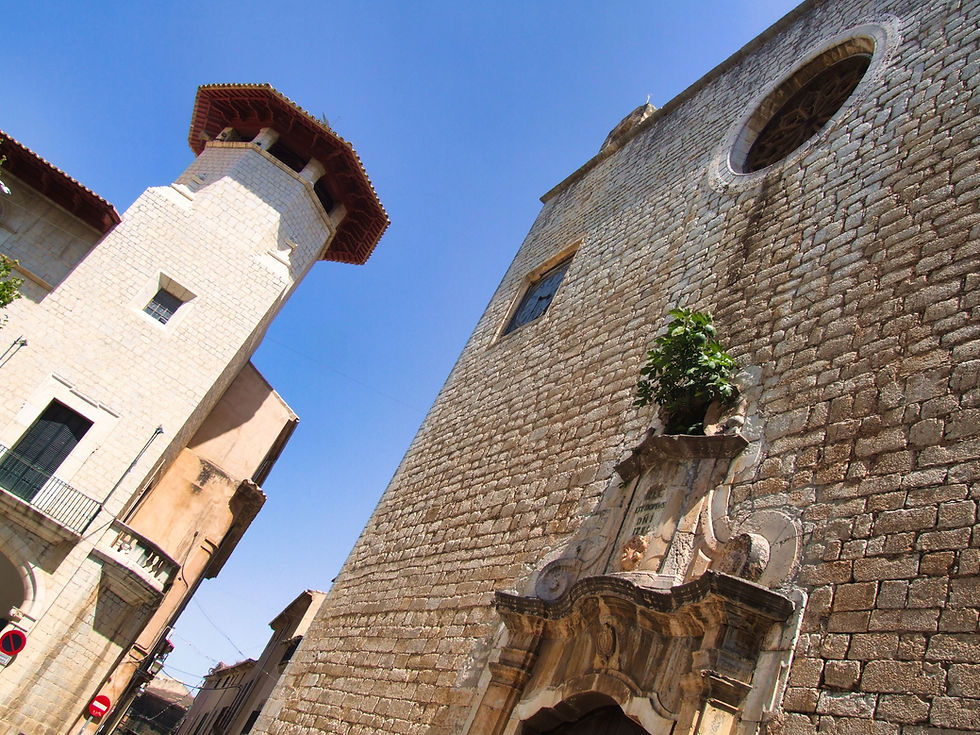
From there, the road heads out onto the peninsula to the south towards the Ermita de la Victoria. Perched high above the rocky shoreline, with sweeping views across the shimmering waters of Pollença Bay, there was a wonderful restaurant sitting just above the beach—the kind of place where a cold beer and a platter of simply grilled sardines taste better than any Michelin-starred meal, accompanied only by the scent of wild pine needles heating in the midday sun.

Beyond Pollença, the drive out along the narrow spine of Cap Formentor was always essential. It is a wild, wind-battered finger of rock where sheer precipices drop hundreds of feet into churning surf, offering a stark reminder that Majorca is, at heart, a rugged mountain range pushed up out of the sea.

Rustic Heartlands and Island Flavours
On another memorable trip, a generous reader offered us the use of her private holiday home inland. Tucked into the foothills northwest of Inca—in the quiet countryside around villages like Mancor de la Vall, Selva, and Campanet, an area long favoured by British expats who prefer quiet olive groves to coastal bustle—we discovered a slower, agricultural heartbeat.
(Check out our posts on another Mediterranean island, Sardinia, here)

It was during those inland wanderings that we explored the island's interior markets. When I first visited forty years ago, the Wednesday market in Sineu was a remarkably rustic, earthy affair. Farmers gathered in the main square to trade livestock, donkeys, and poultry, and the surrounding streets smelled of leather harness, local sheep's cheese, and woodsmoke. Even as the years have introduced tourist stalls, Sineu’s ancient stone core retains the feel of an agricultural hub that has gathered on that exact spot since the 14th century.
It is in these inland towns that Majorcan food truly shines. Beyond the coast’s fresh catches, the island’s cuisine is hearty, peasant cooking at its best. There is the rich, comforting tumbet—layers of sliced potatoes, aubergines, and red peppers fried in good olive oil and bathed in garlic-scented tomato sauce—and sobrassada, the cured, paprika-laced sausage spread warm over crusty pa amb oli (country bread rubbed with raw ramallet tomatoes and doused in oil). For dessert, nothing beats a spiral of powdered-sugar ensaïmada torn apart over morning coffee.
(See our posts on another sunshine isle - Sicily - by clicking here)

A Landscape for Every Chapter
Travel has a way of weaving itself indelibly into the chapters of our lives. Decades ago, after a difficult patch when my partner and I briefly separated, we spent time together in Porto Cristo on the eastern coast. Walking along that long, sheltered natural harbour, watching the boats bobbing in the inlet, and cycling hire-bikes deep into the interior, far away from the resort bustle, the island provided a quiet, restorative backdrop when we needed it most.
Majorca has shouldered the burden of mass tourism for well over half a century, yet its ancient soul remains remarkably intact. Step just five minutes away from the tourist bars and shops, head into the foothills, or sit down at an inland village tavern, and you find a Mediterranean classic whose stone villages, high passes, and quiet waters never lose their hold.
See our post on the lovely island of Poros, here


