What to Eat in Sri Lanka: Favourite Traditional Sri Lankan Food

Updated: 2 days ago
Discover the Rich and Diverse Flavours of Sri Lankan Cuisine
Of course, no trip to Sri Lanka can avoid a mention of the amazing food on offer. It is as tasty as it is healthy, as exotic as it is diverse.

Traditional Food Is One of the Best Reasons to Visit Sri Lanka
I've always believed that if you want to understand a country properly, start by sitting down at somebody's table.
Sri Lanka proved that point time and again. Every meal seemed to reveal another small part of the island's character. Coconut appeared in dozens of different guises, spices were used with remarkable confidence and fresh seafood often arrived on the plate only hours after leaving the ocean.

One thing that struck me was the regional variation. The food changed noticeably as I travelled, reflecting local ingredients and traditions that have evolved over centuries. The island's cuisine has been shaped by influences from India, Arabia, Portugal, the Netherlands and Britain, yet it has retained a distinctive identity of its own.
That blend of history and local tradition is one reason Sri Lankan food has become increasingly recognised internationally, while still remaining wonderfully authentic in the places where it is cooked every day.

Planning a Food Tour of Sri Lanka
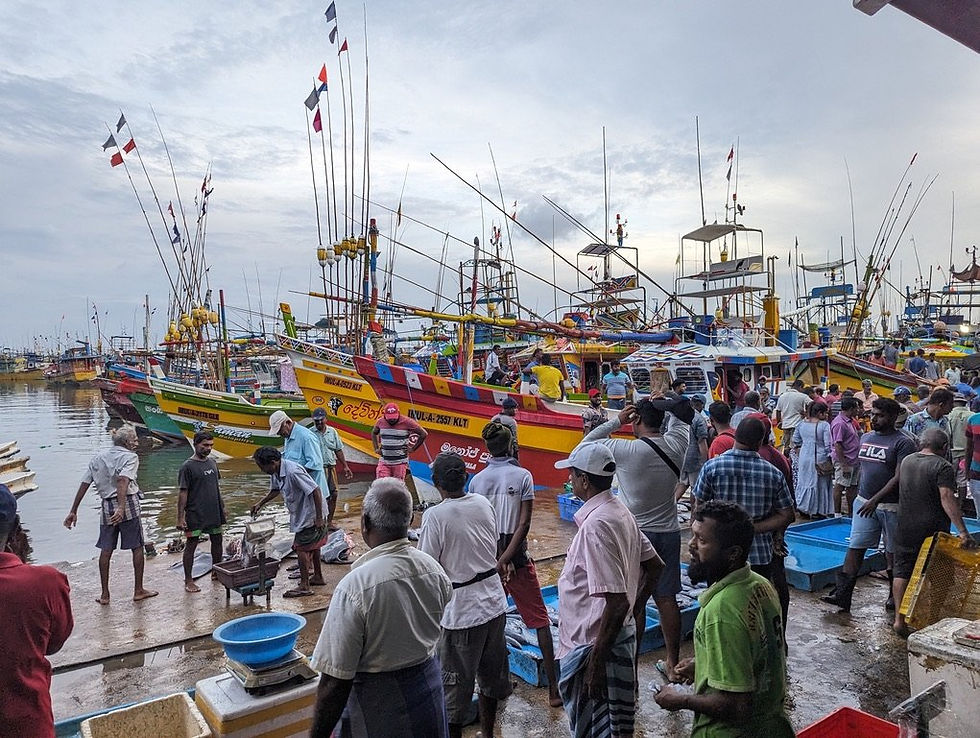
One of the delights of travelling around Sri Lanka is that every region has its own distinctive cooking. Coastal towns are famous for freshly landed seafood, the hill country offers rich curries and fragrant spices, while bustling markets overflow with tropical fruit and colourful street food.
Where you stay can shape your culinary experience just as much as the attractions you visit.
Why Sri Lankan Food Is Healthier Than You Might Expect
The food is often characterised as being more healthy than the cuisine to be found across the breadth of its giant neighbour India, mainly because they do not use anywhere near so much in the way of clarified butter. The food of Sri Lanka is characterised by a blend of flavours, often incorporating a range of spices, coconut, and rice and coconut oil is often used instead of ghee.

A Culinary Crossroads: Sri Lanka’s Global Food Influences
Added to this, the island nation's historical position along trade routes has introduced various culinary influences, including those from India, the Netherlands, Portugal, and Malaysia.

The Elusive Delicacy: Wild Prawns of Northern Sri Lanka

Having said that I love Sri Lankan food, I do have one regret. And that is, we were unable to find a fresh dish using the truly amazing wild prawns which are caught around the northern half of the island. For those of you who don’t know it, the flat northern coasts are punctuated by wide bays and lagoons with smaller islands often connected by causeways.
Read another of our international food guides - about the cuisine of Vienna here
These very rich shallow waters lend themselves to wild populations of shrimp or prawn - and the resultant catch is said to be the best in the world when it comes to flavour and quality.

Which would not surprise me as the prawns turn a deep red when cooked. However, because this is a very hot part of the world where refrigeration is in short supply, the catch is often fast dried in the sun and then used accordingly.

I would very much love to have tried a fresh-caught prawn dish - or even better, cooked one myself using a bowlful of prawns or shrimp bought from one of the many roadside fisherfolk you see selling their wares along the causeways.

The Central Role of Rice and Curry in Sri Lankan Meals
Rice, of course, forms the central component of the large majority of Sri Lankan meals. A common presentation is "rice and curry," where steamed or boiled rice is served with several accompanying curries. These typically include a protein, such as fish, chicken, or occasionally goat or lamb, alongside various vegetable or lentil curries. Dhal, a spiced lentil preparation, is frequently included. Accompanying elements like pickled fruits or vegetables, chutneys, and sambals are also common. Sambals are often pastes of ground ingredients, such as coconut mixed with chilli peppers and lime juice.

Key Ingredients: Coconut, Spices and Local Herbs
Coconut is a prevalent ingredient, utilised in various forms such as milk, oil, and grated flesh. Spices like cinnamon, cardamom, cloves, cumin, coriander, and fenugreek are frequently used. Local herbs such as pandan leaves and curry leaves contribute to the flavour profiles of dishes. Dried fish is also used in some preparations, adding a distinct savoury note - and you see a lot of it being sold in markets and shops around coastal town such as Jaffna.

Beyond the Basics: Exploring Unique Sri Lankan Dishes
Beyond rice and curry, there are many other preparations which you’ll often see, both in towns and villages and also in luxury hotels.
Hoppers, which are bowl-shaped pancakes made from fermented rice flour and coconut milk, are often consumed for breakfast or dinner, sometimes with an egg cooked inside. String hoppers, made from rice flour pressed into noodle-like strands and steamed, are another common staple. Kottu, a street food, involves chopped roti bread stir-fried with vegetables, eggs, and optional meat or cheese. Lamprais, a dish with Dutch Burgher origins, features rice, meat curry, and accompaniments, all wrapped in a banana leaf and baked.

Regional Food Traditions Across Sri Lanka
Naturally many regional variations exist. For instance, the southern coastal areas are noted for fish dishes and the use of goraka, a fruit that imparts a sour taste. The northern regions, with a significant Tamil population, feature dishes like pittu (steamed cylinders of ground rice and coconut) and dosai (savoury crepes). The central hill country, known for tea plantations, often incorporates more locally grown fruits and vegetables and may use fewer spices and less coconut compared to other areas.

Freshness and Traditional Cooking Methods
Cooking methods generally include boiling, steaming, frying, and roasting. Many preparations involve simmering ingredients with spice blends and coconut milk to develop depth of flavour. The focus on fresh, locally sourced ingredients is a consistent aspect of the food culture.

Every Meal Became Part of the Adventure
One of the pleasures of travelling is that you can often understand a country long before you visit its museums simply by sitting down to eat. Sri Lanka was one of those places where every meal seemed to tell another chapter of the island's remarkable story.
Breakfast might begin with delicate string hoppers and coconut sambol. Lunch could be a generous helping of rice and curry served with half a dozen colourful side dishes, each bringing its own balance of spice, sweetness or sharpness. By evening there might be grilled fish landed that very morning or a rich seafood curry gently scented with cinnamon and curry leaves.
What I particularly enjoyed was that meals rarely felt manufactured for tourists. Time and again I found myself eating food that local families were enjoying at neighbouring tables. There was a freshness and honesty about the cooking which reflected the island itself.

Sri Lanka's location has helped shape its cuisine for centuries. Traders brought spices, ideas and recipes from India, Arabia and Europe, yet the island has always managed to preserve a distinctive culinary identity of its own. Coconut appears everywhere, spices are used with remarkable confidence and almost every meal seems to celebrate the abundance of the surrounding countryside and sea.
For visitors, discovering the food becomes every bit as memorable as exploring temples, wildlife reserves or tea plantations. Some of my happiest memories of Sri Lanka are not linked to famous landmarks at all, but to simple meals shared with welcoming people in places where conversation flowed as easily as the tea.
Discover Sri Lanka One Meal at a Time
Every region of Sri Lanka has its own culinary traditions, making the island a wonderful destination for anyone who enjoys combining travel with great food. Whether you're staying beside the ocean, in the tea-growing hills or close to ancient temples, memorable meals are never far away.
FAQ
What food is Sri Lanka famous for?
Sri Lanka is famous for rice and curry, hoppers, string hoppers, coconut sambol, kottu roti, seafood dishes, spicy curries and tropical fruit. Its cuisine combines aromatic spices with fresh local ingredients.
Is Sri Lankan food spicy?
Many dishes contain chilli, but Sri Lankan cooking is more about layers of flavour than intense heat. Coconut, cinnamon, cardamom and curry leaves all help create balanced, aromatic dishes.
What should first-time visitors eat in Sri Lanka?
Don't miss rice and curry, egg hoppers, string hoppers, coconut sambol, kottu roti, fish curry, fresh king prawns and buffalo curd served with treacle.
Is Sri Lanka a good destination for food lovers?
Absolutely. From luxury hotel restaurants to roadside cafés and bustling markets, Sri Lanka offers one of Asia's richest and most varied food cultures.