
Hoi An - One of Vietnam's Most Beautiful and Historic Cities

Updated: Jul 20
The word exotic can conjure many images, but imagine finding yourself in the middle of a heady world that seems to encapsulate everything you’ve ever dreamed could combine to create its meaning.
In a hot perfumed wind not long ago I found myself walking along a moonlit street next to a tropical river. Around me there were lanterns everywhere, and thousands of people strolling up and down the alleyways and across footbridges that provided this magical place with countless thoroughfares.
Hoi An is undoubtedly one of the most beautiful and historic cities in South East Asia, where centuries of maritime trading heritage have left a stunning architectural melting pot of mustard-yellow merchant houses, traditional silk-tailoring workshops, and exceptional riverside street food.

Countless candles bobbed about in tiny paper boats. Old ladies were selling these illuminations to passers-by, then rowing them out into the middle of the stream in their sampans so customers could place the candle in the water and make a wish.

Nearby a crowd sitting in a makeshift bamboo grandstand was laughing at the antics of a street theatre. A peddler was selling some kind of toy that you could spin and send flashing blue lights 50 feet into the night sky. Everywhere the makers of street food were frying, roasting or boiling savoury scented dishes.

And then there was the illuminated bridge - all dragons and lanterns - that took you across to an island where everything you’d just seen before was multiplied a hundredfold. I was entering the night-market, one of the highlights of ancient Hoi An. One of the highlights, indeed, of the whole of Vietnam - and one reason as to why the old port is now a UNESCO World Heritage Site.
A Masterclass in Slow Travel
By banning motorised vehicles from the historic centre every afternoon, Hoi An has become a premier example of sustainable, slow travel in Southeast Asia—allowing conscious travellers to escape the modern rush and explore its ancient timbered streets entirely at a human pace.

The name means translates as "peaceful meeting place” but it is busy every night of the year nowadays. This, however, does not mean Hoi An isn’t an interesting and truly fascinating to visit - especially during daylight hours when the fabulous local restaurants are a great deal less crowded.
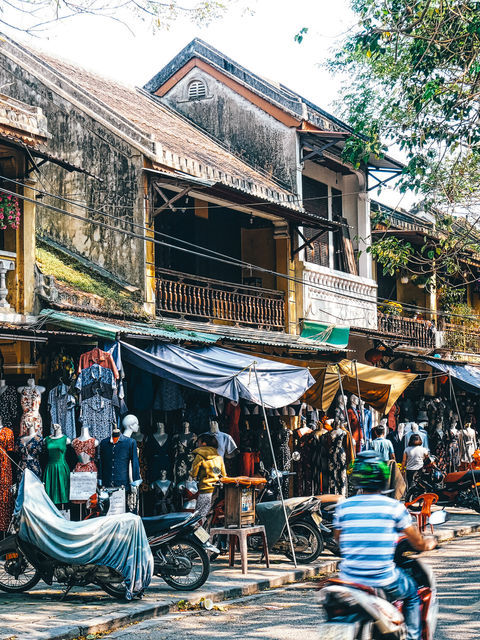
Most of the visitors are Vietnamese, but I didn’t see a single car park or park-and-ride like you’d see at most celebrated, popular or historic European or American cities - apparently some arrive by rail. Not that the absence of transport links was bothering us - we were staying at the gorgeous Anantara Hotel located just five minutes walk from Hoi An’s old town on the banks of the Thu Bon River.
Architecture, Silk Tailoring, and Central Market Tapas
At the heart of this UNESCO World Heritage site is a brilliantly preserved architectural melting pot that reflects Hoi An's golden age as a major 16th-century trading port. Walking down the car-free streets of the Ancient Town, your eye is immediately drawn to the iconic mustard-yellow facades, distinct Chinese assembly halls, and elegant Japanese merchant houses. The absolute jewel of this heritage is the world-renowned Japanese Covered Bridge (Chùa Cầu), a unique, pink-hued timber structure first erected in the 1590s to link the Japanese and Chinese trading quarters. These ancient timber buildings, with their dark exposed beams and intricate terracotta tiled roofs, have miraculously survived centuries of regional conflict and seasonal floods, standing today as a testament to the town's rich multicultural soul.

The Bespoke Silk Tailoring Heritage
Beyond the striking architecture, Hoi An’s global reputation is inextricably tied to its world-class silk-tailoring industry, a direct legacy of its position on the maritime Silk Road. The narrow alleyways are home to hundreds of skilled, independent tailors who can famously transform high-quality local silks, linens, and wools into perfectly fitted suits or dresses within a matter of hours. This is far from mass-production; it is a traditional, meticulous craft passed down through generations of local families. Stepping into a quiet, fabric-lined workshop allows you to participate in a highly personalised piece of living history, choosing your own patterns and watching master cutters measure, stitch, and drape fabrics using techniques that haven’t changed for over a century.


Central Market Tapas and Regional Flavours
This historic blending of cultures is just as evident on the plate, particularly if you dive into the bustling, aromatic stalls of the central riverside market. Hoi An boasts its own unique, highly localised style of street-food "tapas" that you won't find anywhere else in Vietnam. The headline dish is Cao Lau, a rich bowl of thick rice noodles, tender sliced pork, and crisp greens, topped with crunchy rice crackers; crucially, the authentic noodles must be mixed with water drawn from the secret, ancient local Ba Le well and lye made from the ash of local island trees. Alongside this, be sure to pull up a low plastic stool to sample White Rose dumplings—delicate, translucent shrimp pastries crimped to resemble flowers—and crispy Hoành Thánh (fried wontons topped with sweet and sour pork), showcasing a perfect culinary marriage of Vietnamese freshness and Chinese technique.


A driver from the hotel had picked us up from the nearest airport at Da Nang, which is a larger city just 40 minutes north of Hoi An - and we’d been enjoying the conformable delights of the riverside resort between making forays out into the tropical sun.
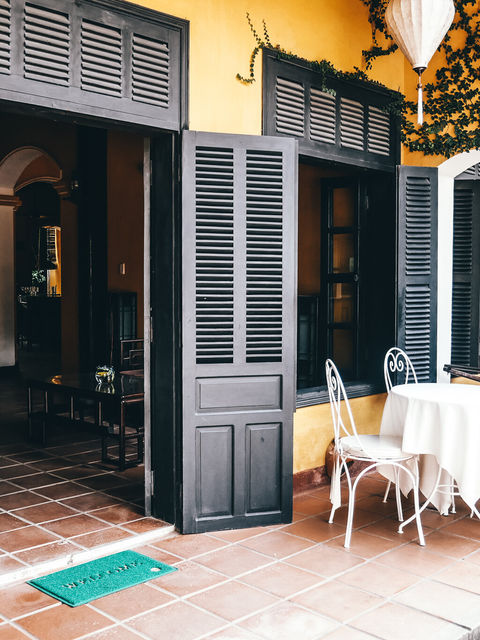


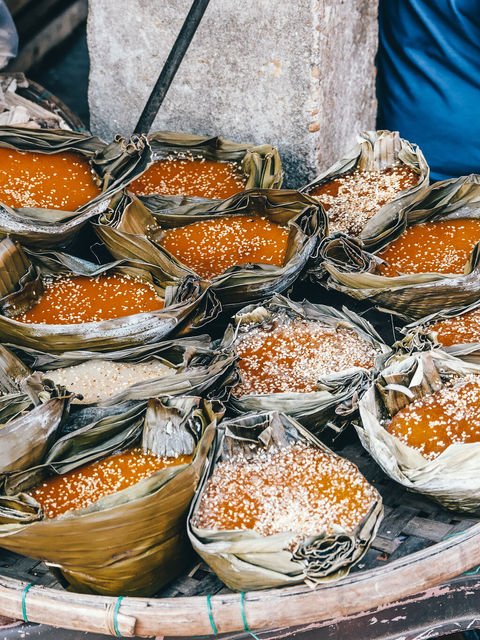
The historic part of the city - known as Old Town - is one of the best preserved examples of a Southeast Asian trading port dating from the 15th to the 19th centuries and its many jumbled buildings laid out around an easy to follow street plan reflect a blend of both Vietnamese and foreign influences.
One of the best known structures is the covered "Japanese Bridge", dating to the 16th or 17th century. But eating out is the real big pleasure in this myriad of eateries - I’d recommend Nhan’s Kitchen.


Frequently Asked Questions
1. Where is Hoi An located and how do you get there?
Hoi An is situated on the central coast of Vietnam, right along the banks of the Thu Bon River in the Quảng Nam Province. Because the town has no airport or railway station of its own, most travellers fly into the nearby city of Da Nang or arrive via the railway line there, before taking a scenic 40-minute taxi or local bus south to the town.
2. Why are all the buildings in Hoi An painted yellow?
The town's famous mustard-yellow hue is both practical and deeply symbolic. In Vietnamese culture, yellow represents royalty, prosperity, and change. Architecturally, the specific yellow earth-tone absorbs the intense tropical heat of Central Vietnam while reflecting the bright sunlight beautifully, creating the town's legendary, warm golden-hour glow.
3. What is the best time of day to experience Hoi An Ancient Town?
While the early morning offers a quiet, unhurried look at the local vegetable markets and peaceful streets, the town truly transforms at dusk. As the sun sets, motorized vehicles are banned from the centre, and the entire old town switches off its modern electric lights, illuminating the streets and the Thu Bon River solely with the magical, soft glow of thousands of traditional silk lanterns.
4. What makes Hoi An's local food different from the rest of Vietnam?
Because Hoi An was a global melting pot for centuries, its cuisine features heavy Japanese, Chinese, and French influences woven into traditional Vietnamese cooking. Signature dishes like Cao Lau and White Rose dumplings are strictly regional, relying entirely on the unique mineral properties of local well water, meaning they cannot be authentically replicated anywhere else in the world.


