Up The Creek: Exploring West Country Estuaries & Secret Tidal Waterways

Updated: Jul 20
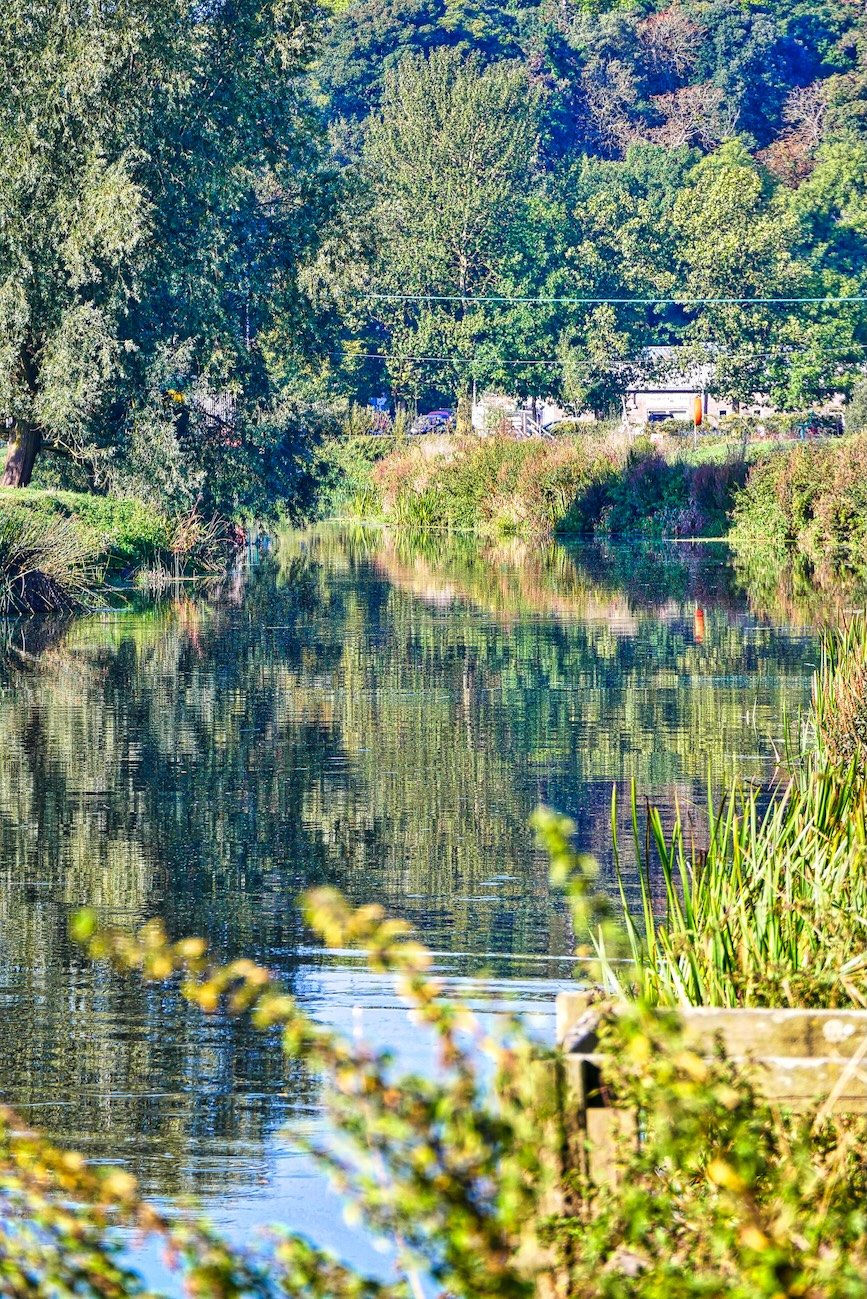
There is a quiet, ethereal magic to the tidal creeks and estuaries of Devon and Cornwall once autumn arrives and the summer boating crowds head home. Steep oak woods cast auburn reflections across still, flooded valleys, while saltmarshes and sandbars echo with the calls of overwintering waders.

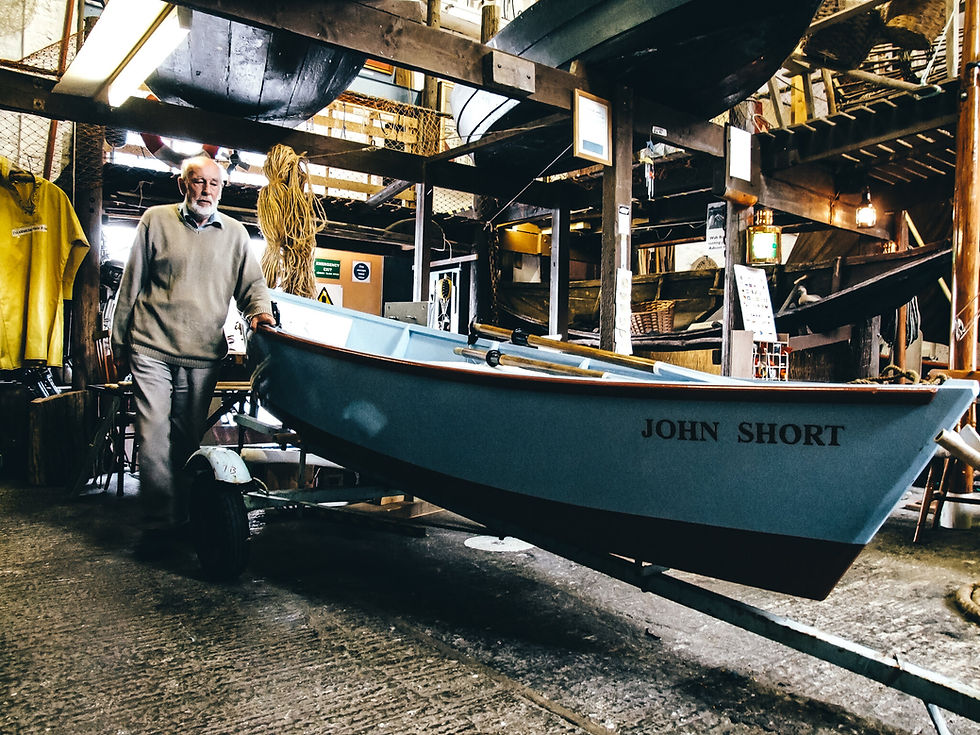
Of all the broadcast and newspaper assignments I worked on during my years as a staff journalist, few were quite as memorable as Up The Creek—a joint venture with ITV Westcountry where we set out to explore these hidden regional waterways. Armed with a camera crew and a borrowed 12-foot Bristol Channel Flatner from the Watchet Boat Museum, we rowed into the secluded nooks and crannies of our region's most famous estuaries.
Here is a look back at how that autumn journey unfolded—from the treacherous mouth of the Torridge to the ancient arches of Wadebridge and beyond...
One of the best series I ever worked on during my years as a staff journalist was a joint endeavour we did with ITV Westcountry entitled Up The Creek.
We did exactly what the name suggests. We went around the creeks and estuaries of the South West region exploring tidal waterways.

We started writing rowing and filming in autumn when most boating tourists had gone home and the nooks and crannies of the creeks were left in the complete and utter peace which seems to be their main lot in life.
Back then I wrote: “Many creeks are tree-lined so we can look forward to fantastic autumnal displays of colour being reflected in the still waters of the protected inlets and flooded river valleys.
Estuaries & Waterways Overview Box
Series Title: Up The Creek (Joint Feature Series with ITV Westcountry)
Vessel Used: John Short (a 12-foot traditional Bristol Channel Flatner on loan from Watchet Boat Museum).
Featured Waterways: River Torridge & Taw Estuary (North Devon), River Camel at Wadebridge, Helford River, River Fal, River Fowey, River Yealm, River Dart, and River Exe.
Key Historical Note: Inspecting the 17 arches of Wadebridge's ancient bridge from the water reveals how the structure was doubled in width in 1963.
Having said that, we start in one of the least sylvan estuaries up in the north of the region. Indeed the final reaches of the Torridge are escorted north by the treeless flatlands of Bideford Bay.
And by the time it reaches its North Devon sister the Taw to form one giant gulf, things can get pretty lumpy and bumpy out there in the wave torn shallows of the sand bar called Sprat Ridge.”
Certainly, the mouth of the Torridge in a gale was no place for the Bristol Channel flatner I borrowed from Watchet Boat Museum.
The 12-foot John Short was exactly the right sort of craft for the inner parts of the estuaries, but it would have been madness to row out over weirdly named Zulu Sands the other day when we began filming for this series.

Next we went to Wadebridge in Cornwall with its long bridge. Passing under the arches in a small boat you could see how it’s not one bridge, but two. Even a cursory inspection shows how the downstream spans are a lot older than the adjacent upstream arches.
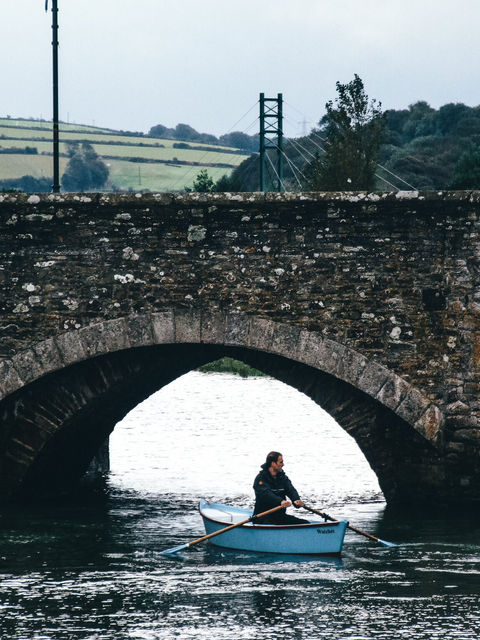
The old structure was widened in 1963. There used to be 17 arches but the widening work meant four had to be built over, although the one on the Egloshayle side was used as a cellar.

After that we went to the Helford Passage, the Fal, the Fowey, the Yealm, the Dart and the Exe. If people are interested I’ll put up some more detailed notes of these wonderful voyages. I would dearly love to do them all again.

Frequently Asked Questions (FAQ Section)
Paste this section at the bottom of your post to help capture search traffic interested in West Country boating, kayaking, and coastal history:
Frequently Asked Questions: Exploring West Country Estuaries
What is a Bristol Channel Flatner?
A Bristol Channel Flatner is a traditional, flat-bottomed wooden double-ended boat historically built along the Somerset coast (particularly around Watchet and Bridgwater) for fishing, mud-slubbing, and navigating shallow, intertidal waters.
Which estuaries feature in the Up The Creek series?
The series covers major tidal waterways across Devon and Cornwall, including the Torridge and Taw in North Devon, the Camel at Wadebridge, and South Coast estuaries including the Helford, Fal, Fowey, Yealm, Dart, and Exe.
Why is autumn considered a great time to explore West Country creeks?
By autumn, seasonal pleasure craft traffic drops significantly, leaving the sheltered tidal creeks in peace. The changing autumn foliage reflects off the calm water, and migrating birdlife arrives in huge numbers across the mudflats and saltmarshes.
"Love West Country maritime history and coastal journalism? Explore my full collection of West Country features and coastal walks."