
Zorba the Greek Beach: Visit the Famous Filming Location at Stavros, Crete

Updated: Aug 8
Tucked away on the north eastern shore of Crete is Stavros, a modest beach known largely for its role in the film "Zorba the Greek." While the movie captured the imagination of viewers globally, the real Stavros offers a more subdued and authentic experience, far from the embellishments of Hollywood.
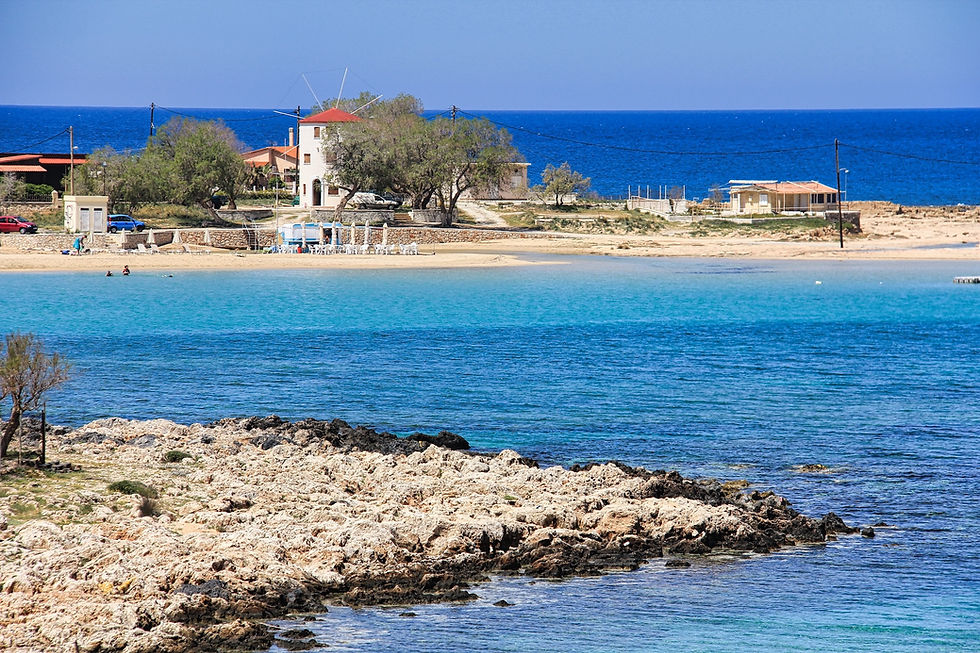
Stavros' beach features soft sands and clear waters, making it a practical choice for families. Its calm, shallow bay ensures a safe environment for swimming. Efforts by locals have maintained the beach’s natural state, keeping it relatively untouched by commercial tourism.

Where to Stay Near Zorba the Greek Beach
If you're planning to visit Stavros Beach, I'd recommend spending at least two or three nights in the area rather than making a rushed day trip. Chania's beautiful Venetian harbour is only about 20 minutes away and makes an excellent base, while there are also smaller hotels, apartments and family-run guesthouses much closer to Stavros itself.
Whether you're looking for a luxury resort overlooking the sea, a simple apartment for a walking holiday or somewhere close to Chania Airport for an early flight home, there are plenty of accommodation options nearby.

Zorba the Greek," a novel penned by Nikos Kazantzakis, was first published in 1946,. The narrative delves into the profound themes of life, freedom, and the search for meaning, all through the vibrant character of Alexis Zorba. The story unfolds through the eyes of an unnamed narrator, often considered a reflection of Kazantzakis himself. He meets Alexis Zorba, a middle-aged man with an insatiable zest for life, who becomes his companion. The narrator, a man of intellect and introspection, contrasts starkly with Zorba's exuberant and spontaneous nature.
The novel is as much about the relationship between these two men as it is about the richly depicted Greek landscape and culture. Zorba's character, representing the physical and passionate aspects of life, is a foil to the narrator's more philosophical and contemplative disposition.
One of the central themes of the novel is the exploration of existential questions. Through various experiences, ranging from love affairs to business ventures, the characters grapple with the fundamental aspects of human existence. Zorba, with his love for dance, music, and the simple pleasures of life, offers a stark contrast to the narrator's more reserved and analytical approach to life's mysteries.

Kazantzakis uses Zorba to convey a message of embracing life's experiences with fervour and spontaneity. Zorba's character becomes synonymous with the idea of living in the present, unburdened by the past and unconcerned about the future. His famous dance scene symbolises this philosophy, showcasing an unbridled expression of joy and freedom.
"Zorba the Greek" is not just a narrative about two men but a philosophical exploration that challenges readers to ponder their approach to life. The novel remains a beloved work, capturing the imagination of readers worldwide with its vivid portrayal of Greek culture, its exploration of existential themes, and its unforgettable protagonist, Alexis Zorba.

Away from the beach, Stavros is a gateway to Cretan culture. The village maintains a quiet charm, with local tavernas where traditional Cretan meals are served. These dishes, often made from ingredients sourced nearby, offer a taste of the region's culinary traditions.
The significance of Stavros extends beyond the beach. The area is surrounded by sites of historical interest, including Minoan ruins, and the landscape around Stavros is marked by rugged terrain that appeals to those looking for exploration and adventure.

As evening approaches, the setting sun against the mountain creates a picturesque scene. While there might be occasional music and dance, reminiscent of the film's famous scene, the atmosphere is typically more reserved, inviting visitors to enjoy a quiet evening.

Stavros represents a blend of natural beauty and historical significance, but without the overtones of a tourist hotspot. It’s a place where visitors can find a gentle pace, local flavour, and a connection to Crete's past.
Planning Your Visit to Stavros Beach
Most visitors combine Stavros with Chania Old Town, the Akrotiri Peninsula and some of western Crete's best beaches. If you're hiring a car you'll have complete freedom to explore, but staying locally means you can enjoy the beach early in the morning or in the evening after many day-trippers have gone.
Check the latest hotel prices and availability before you travel.
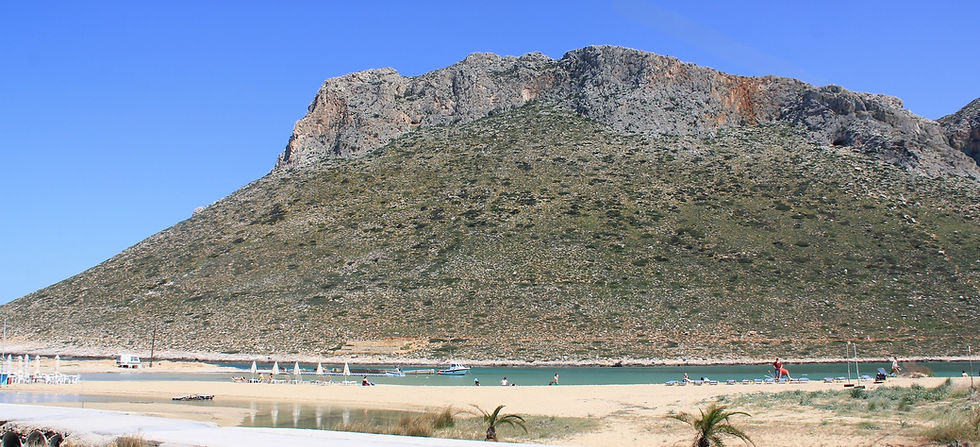
Why Stavros Still Feels Like the Real Crete
There are beaches in Crete that have become almost victims of their own success. Coach parties arrive before breakfast, selfie sticks wave in the air and every square yard of sand seems to have a paid-for sunbed. Stavros isn't quite like that.
Perhaps it's because people still come here for a reason that has nothing to do with Instagram. They come because somewhere in the back of their minds is Anthony Quinn shuffling across the sand with that unforgettable grin, arms outstretched, showing us that life should be embraced rather than endured.

I sat for quite a while watching children paddling in the shallows while elderly Greek men argued gently over coffee in the shade. Goats wandered across the hillside as though they had absolutely no interest in cinema history whatsoever. The mountain behind the bay looked exactly as it did sixty years ago.
That's the lovely thing about Stavros. It isn't pretending to be a film set. It's simply a working Cretan village that happens to have become part of cinema history.
Come for Zorba if you like.
Stay because it's a thoroughly delightful corner of Crete.

Frequently Asked Questions
Where was Zorba the Greek filmed?
Many scenes from the 1964 film Zorba the Greek were filmed around the Chania region of Crete. The famous final dance scene starring Anthony Quinn and Alan Bates was filmed on Stavros Beach on the Akrotiri Peninsula.
Can you visit the beach where Zorba the Greek was filmed?
Yes. Stavros Beach is open to visitors and remains one of Crete's most recognisable film locations. Fans still come to stand where the famous Sirtaki dance was performed.
Where is Stavros Beach?
Stavros Beach is on the Akrotiri Peninsula, about 20 minutes by car from Chania and only a short drive from Chania International Airport, making it an easy day trip.
Is Stavros Beach worth visiting?
Absolutely. The sheltered bay has soft sand, clear turquoise water and a dramatic mountain backdrop. It is popular with families, swimmers and film enthusiasts alike.
Why is Stavros Beach famous?
The beach became world famous after the unforgettable closing scene of Zorba the Greek, when Anthony Quinn danced the Sirtaki against the backdrop of the distinctive mountain overlooking the bay.
Is Stavros Beach good for swimming?
Yes. The bay is sheltered from strong waves, with shallow, calm water that makes it ideal for swimming and paddling, especially for families.
How do you get to Stavros Beach?
Most visitors hire a car from Chania or the airport. Local buses and organised excursions also operate from Chania during the tourist season.
What else is there to see nearby?
The nearby city of Chania is famous for its Venetian harbour, narrow old streets and excellent restaurants. The Akrotiri Peninsula also has monasteries, scenic viewpoints and several attractive beaches.
Where should you stay to visit Stavros Beach?
Most visitors stay in Chania, around 20 minutes away, where there's a huge choice of hotels, apartments and restaurants. If you prefer somewhere quieter, you'll also find accommodation around Stavros itself, giving easy access to the beach and the Akrotiri Peninsula.
How long should you spend at Stavros Beach?
Although some people visit as a half-day excursion from Chania, it's worth allowing a full day or staying nearby for two or three nights so you can explore the surrounding coastline, local tavernas and nearby attractions without rushing.


