
3 Historic Market Towns to Explore Around West Devon and Dartmoor

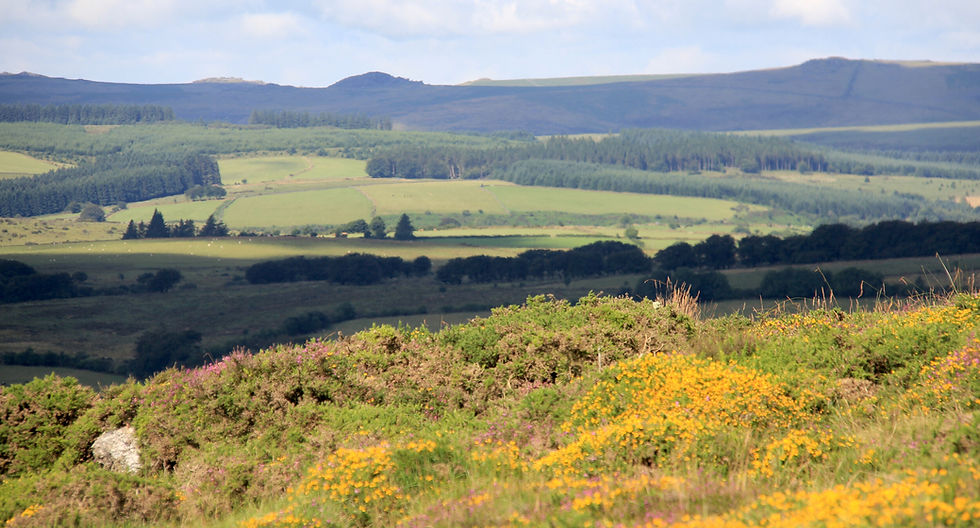
West Devon occupies a dramatic, weather-beaten frontier. Trapped between the high, boggy tors of Dartmoor’s western flank and the wooded river marches of the Tamar and Torridge, its settlements were never built for mere decorative leisure. These are working border towns, shaped by tin mining, abbey riches, stone quarries, and an enduring agricultural stubbornness.
Whether you are skirting the moors on the A30 or exploring the lush river valleys, these three historic hubs show West Devon at its most characterful.
1. Tavistock: Abbey Riches and Stannary Grandeur
Tavistock is a town that simply had to be. Stuck between the high wilderness of Dartmoor and the broad marches of the riverine borderlands, there would have been a gaping void in West Devon had it not prospered. It sits where the River Tavy—one of the fastest-flowing waters in England—tumbles down from the granite moors into the softer, verdant folds of the valley.

Everything about Tavistock feels substantial. Back in 974 AD, Ordgar, Earl of Devon, founded a massive Benedictine abbey here. Though razed by Viking raiders sailing up the Tamar in 997, it was rebuilt on a monumental scale, housing hundreds of monks until Henry VIII’s Dissolution handed the vast estate to the Russell family, later the Dukes of Bedford. Today, fragments of the abbey are woven into the very fabric of the town—from Betsy Grimbal’s Tower in the Vicarage garden to ancient masonry embedded in the walls around Abbey Bridge.
In the twelfth century, tin mining transformed Tavistock into a chartered stannary town, where moorland tin was weighed, stamped, and taxed. The nineteenth-century copper boom brought further wealth, giving the town its handsome civic core, constructed from local greenish Hurdwick stone.
At its heart sits Bedford Square and the thriving Victorian Pannier Market, flanked by independent shops and tree-lined river walks. Sir Francis Drake was born just down the road at Crowndale, and his statue stands proudly on the approach road, watching over a town that remains one of the most handsome in the West Country.
Tavistock Fact File
Market Days: Tuesday to Saturday (Pannier Market, with rotating craft, antique, and produce themes).
Key Landmarks: The Victorian Pannier Market, Bedford Square, the Abbey ruins, and the Tavistock Canal path leading towards Morwellham.
Annual Tradition: The legendary Tavistock Goose Fair, celebrated on the second Wednesday of October since the early twelfth century.
Curiosity: The local saying goes: "If it is raining anywhere in my kingdom, it will be raining in Tavistock"—a quip attributed to King Charles II following his family's soggy Civil War visits.

2. Okehampton: The Resilient Northern Bastion
If you ever wish to witness Dartmoor in its most uncompromising mood, drive past Okehampton. The town sits squarely beneath the moor’s north-western shoulder, taking the brunt of Atlantic gales as clouds snag upon the heights of Sourton Down.
For decades, Okehampton was known to motorists primarily as a bottleneck where the arterial A30 cleaved the high street in two. Since being bypassed, the old town has reclaimed its dignity. Originally Ochmentune—named after the swift, tumbling waters of the East and West Okement rivers that meet in the centre—it has a long history of taking hard knocks and bouncing back.
Its dark, dramatic jewel is Okehampton Castle, a brooding ruin towering on a wooded spur above the West Okement. First raised as a motte-and-bailey stronghold by the Norman sheriff Baldwin de Brionne after the Conquest, it was later converted into a lavish fortified residence by the Courtenay Earls of Devon before Henry VIII executed the marquess and left the fortress to decay.
Down in the valley, the town offers gentler pleasures. Simmons Park is a magnificent Edwardian municipal garden hugging the rushing river, complete with rockeries and a Tyrolean-style alpine chalet. Off Fore Street, tucked down a cobbled courtyard, the Museum of Dartmoor Life brings centuries of tough moorland quarrying, wool-combing, and farming to life.
Okehampton Fact File
Transport Link: The Dartmoor Line has triumphantly restored daily passenger rail services connecting Okehampton station directly to Exeter.
Key Landmarks: The English Heritage ruins of Okehampton Castle, the Museum of Dartmoor Life, and Simmons Park.
Curiosity: The British military first set up camp here in 1873 on training exercises. Despite getting their horses stuck in moorland bogs during early downpours, the War Office was so taken with the wild terrain that they signed a 999-year lease for the northern firing ranges.

3. Hatherleigh: The Unvarnished Soul of Agricultural Devon
Visit most towns and you need an hour or two to sniff out what makes the place tick. Hatherleigh is different: it wears its heart proudly upon its sleeve. Sitting in the red-clay rolling country north of Dartmoor, this small community is the unvarnished, authentic epitome of rural Devon.
Hatherleigh is not groomed or manicured for tourism, and that is precisely its charm. For over 780 years, it has operated as a true farmers' market hub. Step into the lanes on market day and you see the living face of the countryside: faces weathered by wind and clay, wax jackets, and old farming families leaning on sticks to discuss stock, crops, and weather.
The town itself sits comfortably on a south-facing slope. A distinctive feature of its narrow streets is the prevalence of broad, double street-side doors opening into cobbled rear yards—the historic workspaces of wheelwrights, coopers, and blacksmiths. Above the roofs rises the fine church of St John the Baptist, which famously rebuilt its roof and restored its oak barrelling after the church spire dramatically collapsed straight through the nave in 1990.
High above the settlement stretches Hatherleigh Moor, a vast common granted to the local poor in the fourteenth century (traditionally attributed to John of Gaunt). To this day, bona fide local householders known as 'pot-boilers' retain common rights and receive annual rent dividends from the moorland grazing.
Hatherleigh Fact File
Market Days: Tuesday mornings (traditional pan-agricultural, plant, and general produce market).
Key Landmarks: The parish church of St John the Baptist, the old artisan courtyards, and Hatherleigh Moor.
Famous Son: Captain William Morris, who survived leading the 17th Lancers in the ill-fated Charge of the Light Brigade at Balaclava; an obelisk stands in his honour on the moor.
Curiosity: Hatherleigh is famed for its fiery Guy Fawkes Carnival in November, featuring the hauling of blazing tar barrels through the narrow streets by local carnivalites.


