
Ho Chi Min City

Updated: Jul 9

Few cities on earth assail the senses with the sheer, unbridled energy of Ho Chi Minh City. Formerly known as Saigon, this sprawling southern metropolis is the commercial heartbeat of Vietnam—a place where over nine million residents and a seemingly infinite sea of motorbikes create a mesmerising, non-stop symphony of urban life.

To walk the streets of this city with a camera is an exercise in capturing beautiful contradictions. Look in one direction, and you are surrounded by timeless French colonial elegance; look in another, and towering glass skyscrapers pierce the tropical sky. This photo essay is a visual journey through the chaotic charm, hidden corners, and culinary vibrant soul of Saigon.
Saigon - or Ho Chi Min City, as it is now known - is a busy place. A crazy place, in some ways. A place that booms and roars and demands your 100 per cent attention night and day. And I loved it. Perhaps because I enjoyed the ultimate refuge in the form of the lavish and opulent Reverie Saigon, which is located in the heart of this magnificent city.


Architecture of Empire and Ambition
Saigon's architecture tells the dramatic story of its past. The city's wide boulevards still boast magnificent colonial landmarks such as the Notre-Dame Cathedral Basilica and the Saigon Central Post Office—both constructed in the late 19th century using materials imported directly from France.
Yet today, these historic monuments sit in the shadows of ultra-modern engineering marvels like the Bitexco Financial Tower and Landmark 81, which stands as the tallest building in Vietnam and the seventeenth-tallest in the world. It is this rapid vertical evolution that defines the visual landscape of modern Vietnam.


It is housed in one of the tallest skyscrapers in all of Vietnam, and our 38th floor suite really did offer the ultimate air-conditioned refuge from the hot and sticky streets far, far below.
Not that I had anything against those streets. A few days in Ho Chi Min City is as colourful and exciting as a few days spent anywhere on Earth - and visits to the various markets and street-food emporiums are an absolute must.

The Electric Pulse of Saigon's Street Culture
The true heart of Ho Chi Minh City isn't found in its museums or high-rise bars, but down on the pavement. The city’s street culture is legendary, centered around bustling local markets like Ben Thanh and the countless roadside food stalls that fill the air with the aromas of sizzling pork, fresh lemongrass, and rich Vietnamese iced coffee.
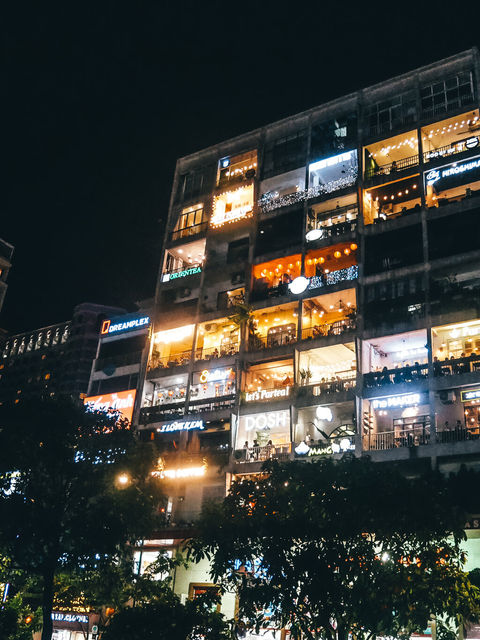
As night falls, the humidity breaks, and the neon lights turn the rain-slicked streets into a cinematic wonderland. It is a photographer's paradise, where every alleyway reveals a hidden cafe, a family-run soup stall, or a quiet moment of calm amidst the urban rush.


Confronting History at the War Remnants Museum
More sobering is a visit to the Vietnam War Museum. It is not often that I’m rendered speechless, but that is how I felt after learning about some of the horrors of the Vietnam War. Indeed, like many visitors I was in tears - and altogether mystified as to how such horrors could have happened in such a beautiful and happy country.


No visit to Ho Chi Minh City is complete without a deeply sobering, reflective walk through the War Remnants Museum in District 3. While the bustling streets outside celebrate Vietnam's fast-moving future, this repository serves as a powerful, unfiltered anchor to the immense human cost of its mid-century conflict. In the sunlit outdoor courtyard, heavy American fighter jets, tanks, and helicopters sit parked like silent ghosts of mechanized warfare.
Inside, the atmosphere shifts to a collective, respectful silence. The upper galleries house the deeply moving Requiem exhibition—a collection of battlefield photography captured by international photojournalists who tragically lost their lives during the Indochina War. It is an emotionally heavy experience, but one that offers critical historical context and highlights the remarkable resilience of the local population.


The Sensory Whirlwind of Ben Thanh Market
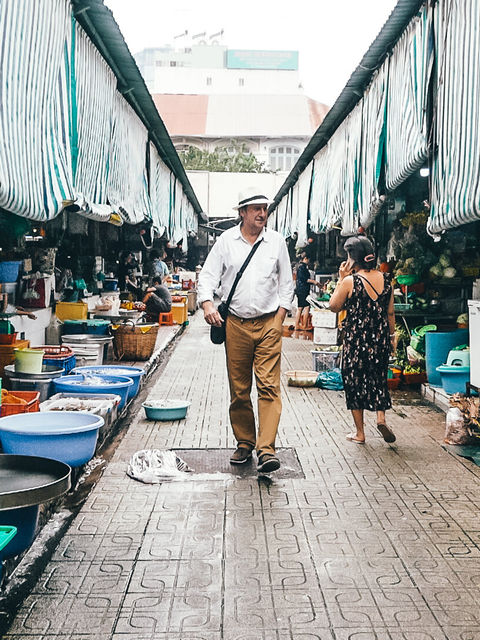
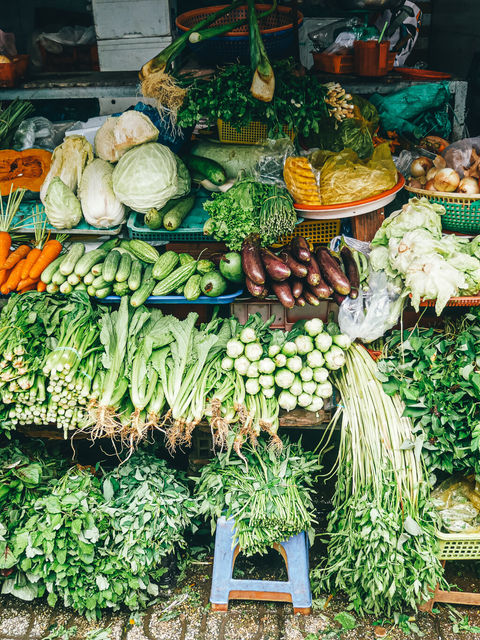
Altogether more jolly was a visit to Saigon’s massive central market where they sell everything from silk shirts to sea-cucumbers…


To experience the true commercial soul of Saigon, one must dive headfirst into the labyrinth of Ben Thanh Market. Anchoring the absolute heart of District 1 since 1912, this covered municipal market is one of the city's oldest surviving structures and an enduring symbol of local life. Beneath its iconic French colonial bell tower, the building opens up into a vast, sprawling grid of nearly 1,500 individual trading booths.
Navigating the tightly packed, narrow aisles is a brilliant sensory overload. The outer edges buzz with vendors selling vibrant fabrics, hand-carved lacquerware, and souvenirs, while the inner wings give way to a bustling wet market packed with exotic tropical fruits, mountains of local spices, and fresh seafood. It is loud, chaotic, and utterly thrilling—the perfect stage for capturing the genuine, everyday interactions of the city.




Back in the total luxury of The Reverie there’s time for one final swim in the rooftop pool before chilling out in the massive suite in the skies, before heading off to Ho Chi Min airpot for the Vietnam Airlines Dreamliner flight back to London.


Frequently Asked Questions About Visiting Ho Chi Minh City
Is it better to call the city Saigon or Ho Chi Minh City?
Both names are widely used. Officially, the city was renamed Ho Chi Minh City in 1976 following the end of the Vietnam War. However, the historic name "Saigon" remains deeply cherished and is used daily by locals, businesses, and airlines to refer to the central urban districts (specifically District 1).
What are the best areas for travel photography in Ho Chi Minh City?
For classic architecture, head to District 1 to capture the Saigon Central Post Office, the Opera House, and the City Hall. For vibrant street and documentary photography, the bustling alleys around Ben Thanh Market or the historic Chinese quarter of Cholon (District 5) offer unmatched colour, energy, and local character.
When is the best time of year to visit Saigon?
The ideal time to visit Ho Chi Minh City is during the dry season, which runs from December to April. During these months, the weather is pleasantly warm with minimal rainfall, making it the perfect climate for exploring the city's extensive outdoor street food markets and walking tours.


