Spinalonga: Echoes of Isolation in Mirabello Bay

Updated: Jul 24

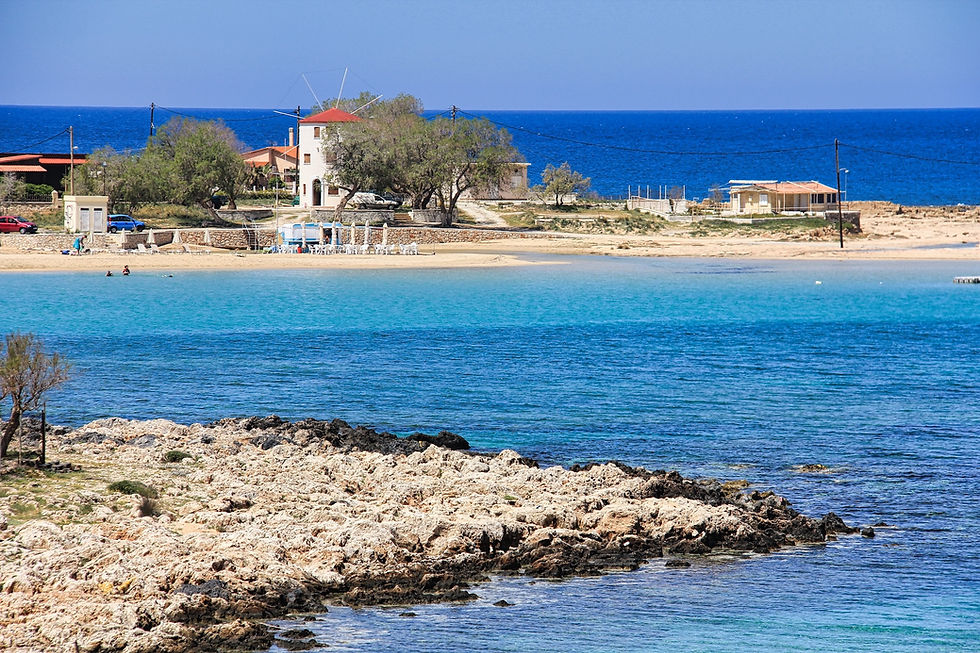
Stepping off a small wooden boat onto the sun-baked quay of Spinalonga is a sobering experience. Resting in the turquoise waters of Mirabello Bay, just a short hop across the lagoon from the quiet fishing village of Plaka, this tiny 85-acre islet carries a weight of human history out of all proportion to its size.
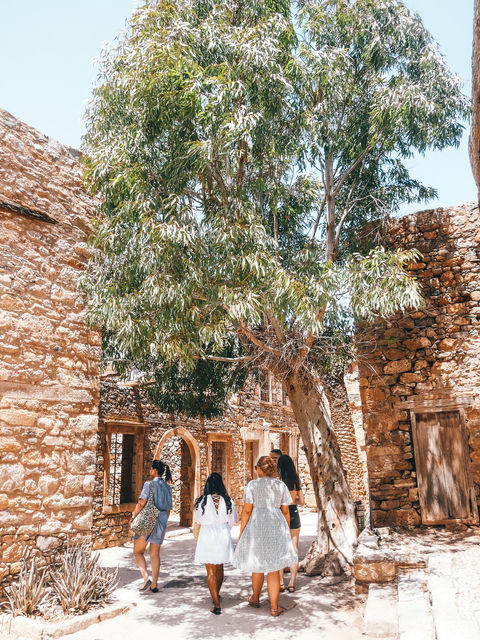
To the eye, it is visually mesmerising: thick Venetian ramparts of golden limestone curve dramatically around the shoreline, while crumbling Ottoman stone houses climb the terraced hillside toward breathtaking views of the Cretan coast.
Yet every wall on

tells a double story. Built as a formidable Venetian sea fortress in the 16th century, it spent the first half of the 20th century as Europe’s last active leper colony (1903–1957). Thousands of men and women were exiled here through "Dante’s Gate"—the dark, narrow tunnel leading from the landing stage—forced to build a community, a life, and a sanctuary out of isolation.
Though primarily a photo essay capturing the stark light, silent alleys, and weathered battlements of this extraordinary place, here is a guide to the layered history of Spinalonga.

🏛️ Spinalonga at a Glance: Layers of History
Location: Gulf of Elounda, Lasithi region, Eastern Crete (facing the seaside village of Plaka).
The Venetian Era (1579–1715): Fortified by the Venetians to guard the strategic salt pans of Elounda. Its massive bastions made it one of the most impenetrable sea fortresses in the Mediterranean—so strong it remained in Venetian hands for nearly 50 years after the rest of Crete fell to the Ottomans.

The Ottoman Village (1715–1903): Under Ottoman rule, a thriving trading community developed on the islet, leaving behind rows of two-storey stone shops and houses lining the main street.
The Leper Colony (1903–1957): Declared an isolated sanctuary for sufferers of Hansen’s disease (leprosy). Rather than giving up, the residents formed "The Brotherhood of the Sick," establishing their own cafes, barber shops, electric generator, theater, and church (St. Panteleimon) until the colony closed in 1957 following the discovery of a cure.
Literary Connection: Immortalised in Victoria Hislop’s international bestseller The Island.

IF YOU LIKE THIS POST CHECK OUT OUR ARTICLE ON THE IMBROS GORGE

Through Dante’s Gate: Arriving on Spinalonga


The Venetian Battlements and Ottoman Alleys


Frequently Asked Questions About Visiting Spinalonga
How do you get to Spinalonga Island?
Spinalonga is accessible only by boat. Regular passenger boats depart daily from the small village of Plaka (a quick 10-minute crossing), as well as from the nearby resort towns of Elounda and Agios Nikolaos.
How long does it take to walk around Spinalonga?
The circular path around the perimeter of the islet takes about 1 to 1.5 hours to walk at a leisurely pace. Allow 2 to 3 hours if you plan to climb up to the upper Venetian bastions and take photographs.
Why is Spinalonga famous?
Spinalonga is world-famous for its dramatic history. It served as a powerful 16th-century Venetian sea fortress, an Ottoman settlement, and later as one of Europe's last active leper colonies from 1903 to 1957. It was also the setting for Victoria Hislop's bestselling novel *The Island*.