
5 Atmospheric Somerset Winter Walks That End in Front of a Roaring Pub Fire


There is a particular kind of delight to heading out across the high moors and steep, wooded coombes of Somerset when the thermometer dips and the clouds roll in dark and heavy off the Bristol Channel. To my mind, winter is a time when this landscape comes into its own. The summer crowds have long vanished, the trees are stripped back to reveal the ancient bones of the hills, and the cold air gives every breath a sharp, clarifying edge.
Better still, there is no culinary or physical pleasure quite like arriving, wind-scoured and boot-weary, at the door of a proper country inn where the chimney is drawing well and a crackling wood fire warms the hearth.
Here are five classic Somerset circular walks - ranging from coastal oak woods to high moorland wastes and haunted ridges - each paired with a superb watering hole where you can thaw out your toes.

1. Dowsborough, Dead Woman’s Ditch & The Carew Arms, Crowcombe
Every now and again we might be lucky enough to go for a walk in a location that has some special meaning for us. It happened to me recently in one of the most beautiful parts of the Quantock Hills—and all because of a road closure. Stranded on the wrong side of the hill, I thought I’d do a loop around Dead Woman’s Ditch and Walford’s Gibbet, both of which sit at the epicentre of the Quantocks and featured heavily in my historical novel The Last Broomsquire.

The ditch itself is actually a prehistoric rampart, erected for defensive purposes to help keep Bronze Age people safe—though Jane Shorney wasn't safe when she passed its way over 200 years ago. One dark night she flew at her husband John Walford, and he felled her with a blow before finishing the deed with his knife. A mile down the road, Walford paid the ultimate price, dangling from a gibbet for a year and a day. He was so popular and handsome that locals quipped he looked better dead after a year and a day than most men did in their prime.

Beginning at Crowcombe Park Gate, the route traipses north-east across the flanks of Black Hill, passes mysterious Wilmot’s Pool, and descends into Lady’s Combe before skirting the northern contours of Dowsborough's great green dome. The panoramic sweep across the Bristol Channel towards Steep Holm and Flat Holm is exceptional. From there, you contour through the stunted scrub oaks of Five Lords Combe and return past the eerie trench of Dead Woman's Ditch.
Distance & Going: 4 miles; easy going along ridge tracks and wooded paths.
The Hearth: Drop down the hill into the village to The Carew Arms, an historic coaching inn with stone walls, hearty seasonal fare, and a glorious open fire to drive away the Quantock chill.

2. Culbone Woods, Tiny Churches & The Ship Inn, Porlock Weir
Clinging precariously to the dramatic coastal cliffs where Exmoor plunges straight into the Atlantic, the ancient sessile oak woods of Culbone feel entirely detached from the modern world. Starting from the shingle and sea-locks of Porlock Weir, this walk takes you west along the South West Coast Path, threading beneath a canopy of twisted, moss-draped branches that have withstood centuries of salt-laden gales.
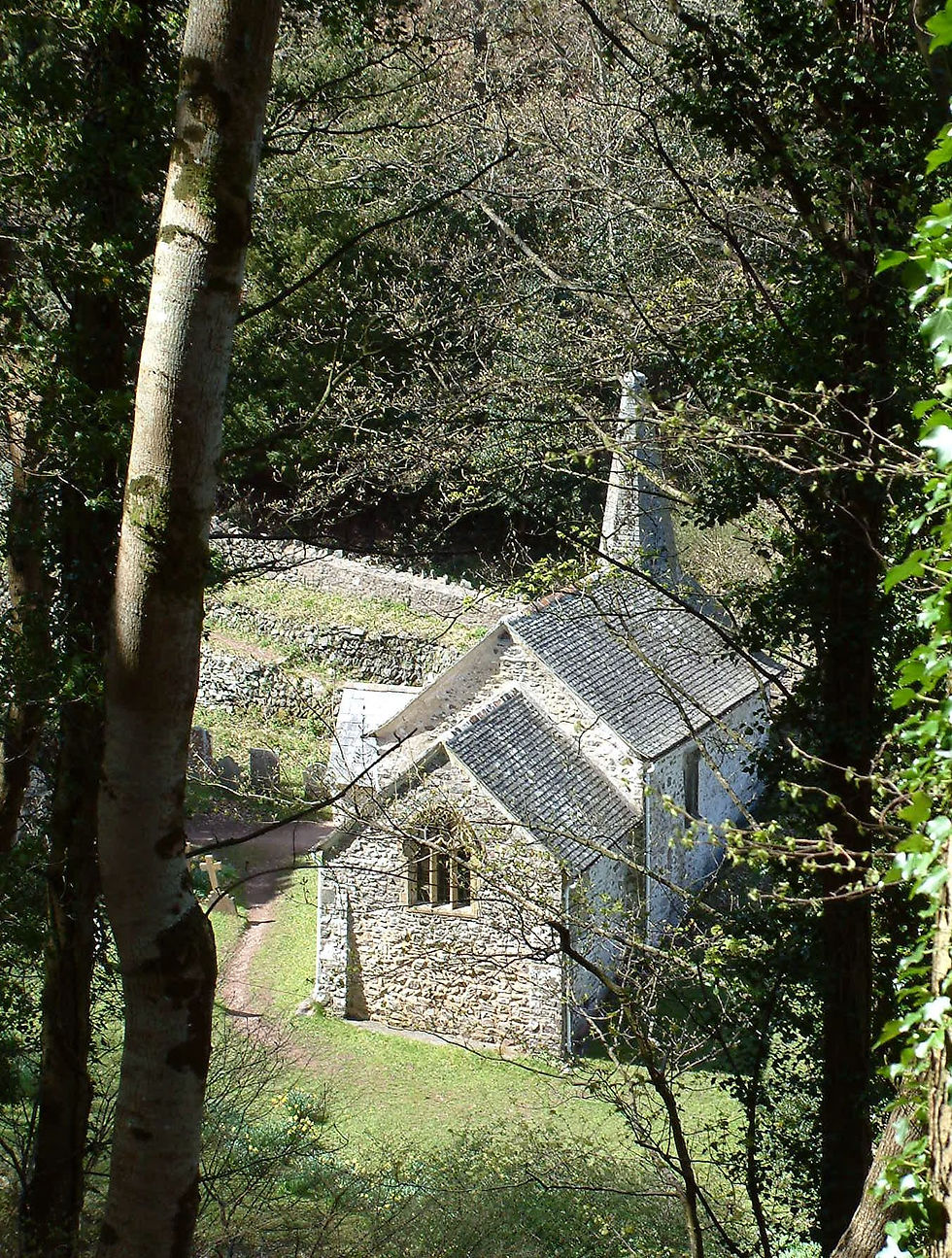
The halfway milestone is Culbone Church—dedicated to St Beuno and celebrated as the smallest complete parish church in England. Tucked deep inside a steep, sunless combe, it possesses a quiet, secluded magic that borders on the miraculous. From the tiny sanctuary, the trail climbs up through the hanging woods towards Culbone Hill before looping along high field edges and dropping back down into Porlock Weir via the old terrace tracks.
Distance & Going: 4.5 miles; moderate, with some steep, rocky ascents through woodland.
The Hearth: Make straight for The Ship Inn (affectionately known across the West Country as The Top Ship). It is an unspoilt, centuries-old maritime pub where you can pull a bench right up to the inglenook fire with a pint of ale.

3. Withypool Common, River Barle & The Royal Oak, Withypool
Thank goodness they never ploughed Withypool Common. It is one of the finest wilderness areas on Exmoor, surviving as an intact remnant of the Royal Forest of Exmoor where stock still graze under ancient customary rights. In the depths of winter, it offers a stark, windswept grandeur.

Setting off near Upper Willingford Bridge on the Dane’s Brook, this route climbs north towards Halscombe Allotment and Porchester’s Post before crossing the high open waste towards Brightworthy Burrows. At 428 metres, the eminence offers a tremendous view of central southern Exmoor and the lonely arches of Landacre Bridge down in the valley.

From the high burrows, you drop down to follow the delightful, tumbling River Barle east into Withypool—a settlement that has always struck me as having something peculiarly Scottish and John Buchan-esque about its riverside setting. The return loop takes you over the summit of Withypool Hill, past an ancient tumulus and tiny stone circle, before picking up the bridleway back past Tudball’s Splats to Willingford Bridge.
Distance & Going: 9 miles; open moorland and riverside paths, can be squelchy underfoot after rain.
The Hearth: Settle into The Royal Oak Inn in the heart of Withypool. With its deep sporting traditions, low-beamed ceilings, and blazing hearth, it is the ultimate haven after a bracing walk across the moor.
4. Felon’s Oak, Old Cleeve & The Valiant Soldier, Roadwater
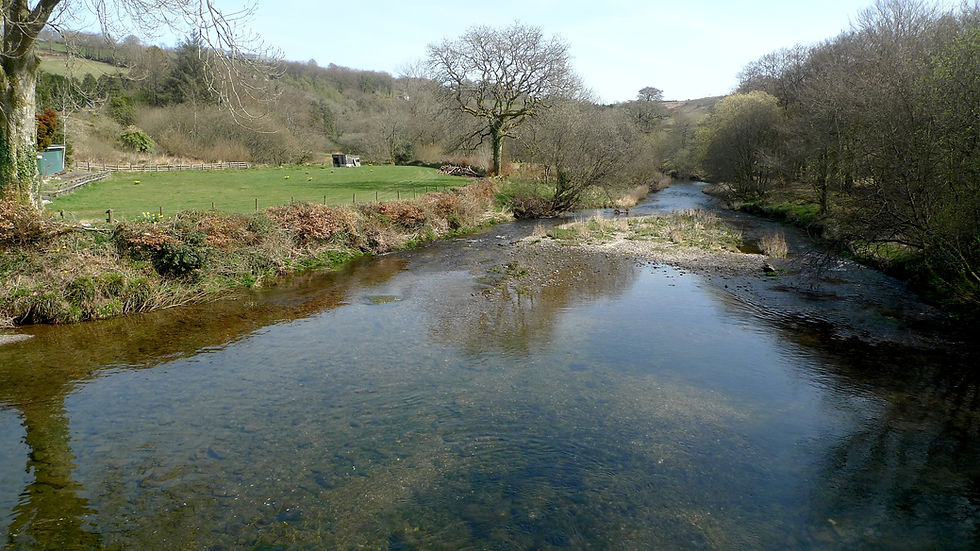
The rolling farmland and wooded hills tucked between the Quantocks and the Brendons are laced with quiet hollow-ways and fascinating local folklore. Setting out from the historic village of Old Cleeve, with its pale stone cottages and proximity to the ancient Cistercian ruins of Cleeve Abbey, this circuit leads you through deep combes, over the West Somerset Railway line, and towards the historic crossroads at Felon’s Oak.

Local lore whispers that this ancient wayside was once a place of summary justice, where malefactors and felons paid the penalty beneath the boughs of a broad oak tree. The trail winds along quiet bridleways, through orchard banks and over high field contours that offer sweeping views across the Bristol Channel to the Welsh coastline, before descending alongside the rushing waters of the Washford River into the valley.

Distance & Going: 5 miles; easy to moderate field paths, quiet country lanes, and woodland tracks.
The Hearth: Cross the lane into The Valiant Soldier at Roadwater. A quintessential, friendly West Country village pub, it features honest local ciders on tap, a brilliant menu, and an open wood-burning fire that warms the entire bar.

5. The Hidden Brendon Combes & The Royal Oak, Luxborough

Tucked deep into the fold of the Brendon Hills, Luxborough feels like a secret valley that the rest of the 21st century forgot to visit. This walk explores the deeply incised combes, forgotten iron-mining tramways, and high wooded ridges that surround this delightfully scattered parish.
Setting off from Kingsbridge, the route winds through ancient beech-fringed lanes and climbs towards the high slopes of Chargot Woods. These hills were once a bustling hive of 19th-century industrial activity, where Brendon iron ore was mined and hauled down to Watchet Harbour; today, nature has reclaimed the workings, cloaking the slopes in moss, fern, and towering trees. Reaching the ridge provides vast views over Exmoor before descending through quiet pastures and water meadows where deer often outnumber people.

Distance & Going: 4.5 miles; moderate, with a couple of short, steep combe ascents.
The Hearth: Head into the lower village to The Royal Oak Inn at Luxborough. Dating back to the 14th century, this stone-built inn boasts flagged floors, rugged exposed beams, and a magnificent roaring inglenook fire that looks as though it hasn't gone out since the Middle Ages.


