
Cyprus Travel Guide: Akamas Peninsula, Troodos Mountains & Paphos

Updated: Aug 10

For the traveller willing to trade the resort bustle for a tank of petrol, the drive north to Polis Chrysochous is a revelation. Leaving the familiar confines of Paphos behind, the road climbs through steep, sun-baked hills before dropping toward a coastline that feels remarkably untouched by the hand of modern development.
The Polis Bay area is the island’s quiet secret—uncluttered, breezy, and calm. This is a side of Cyprus where the locals retain the sleepy, authentic rhythm of a traditional Mediterranean life. Just along the coastal road lies Latchi, a small, sleepy harbour where the catch of the day goes straight from the wooden fishing boats to the open-air grill.
Region: Region of Paphos, Akamas Peninsula & Troodos Mountains
Best Time for Walking/Coolcations: Spring (March–May) & Autumn (October–November)
Highlights: Akamas coastal paths, mountain villages, ancient mosaic sites, seafood tavernas
Getting There: Direct flights to Paphos International Airport (PFO)

Exploring the Wild Akamas Peninsula: Cyprus's Secret Coast
The true appeal of this north-western corner is the Akamas Peninsula, a rugged, wind-swept wilderness where the paved roads eventually give way to dust, rock, and the sharp scent of juniper. It is a beautiful promontory that boasts both mountain and sea, offering a 10-mile hike that takes the agile enthusiast right around its craggy, spectacular demesne.
IF you are enjoying this article check out many of our other accounts of global wanderings HERE
An easier way to taste its delights is to take the road to the edge of the coast to the Baths of Aphrodite. Here, cool freshwater springs meet the sea in a beautiful pool set deep in the rocks of a shaded, wooded glade. From this legendary spot, you can join Aphrodite’s Trail and the neighbouring Adonis Trail, both of which introduce you to the picturesque peninsula and the nearby Smigies Nature Trail, which offers panoramic views across the great, shimmering curve of the bay.
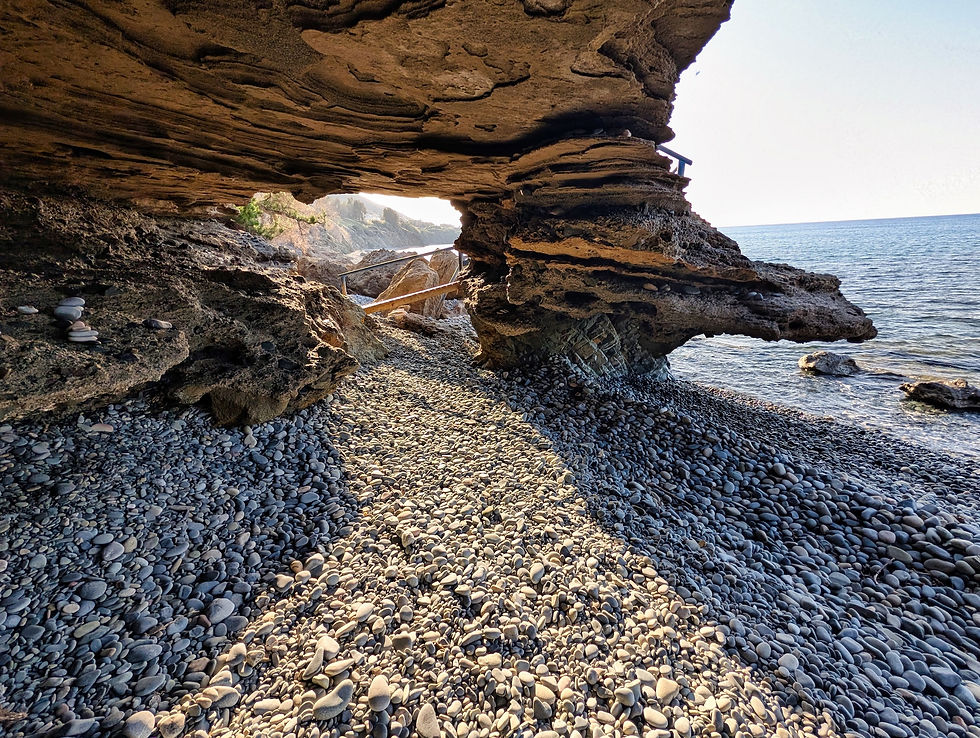
On a recent journey, we pushed even further, driving almost all the way to the UN border with the Turkish part of Cyprus to a tiny, isolated harbour in the Pomos area. It was an absolute gem, boasting a fantastic bar full of locals where we were the only foreign tourists in sight. Nearby, we stumbled upon a hidden coastal beauty spot known as the Dragon’s Cave. Standing there, looking out at the empty sea, it was impossible to imagine that anyone from the crowds of Paphos had ever been near the place.

Memories of a Winter Wonderland: 35 Years Ago
Finding these quiet, untamed corners of the island brought back a flood of memories from a trip I took to Cyprus nearly 35 years ago. It was February half-term, and back in the UK, it was cold, grey, and raining. Desperate for a bit of sun and warmth, we booked a last-minute deal to Paphos.
But Cyprus has a way of surprising you.
On one of our day trips, we found ourselves waist-deep in snow. Our breath was blooming in misty plumes and our fingers and toes were stiff with cold as we threw snowballs at each other among the soughing pines. Playing in the snow wasn't quite the winter holiday we had in mind when flying four hours south to escape the British winter, but it didn't matter—we were ecstatic.
The reason we could be so joyful in its chilly grasp was the sheer geography of this remarkable island: we knew that within the hour, we could drive down the mountains and be basking on a warm beach.
At 6,404 feet, Mount Olympus is the highest part of Cyprus, even hosting a ski resort. We had taken the high road threading its way right across the Troodos Mountains on our way back from Nicosia. The kids couldn't believe their eyes as our hire car suddenly entered a winter wonderland of massive drifts and alpine pistes.

A Divided Capital and the Ancient Wilds
That journey had taken us to Nicosia, which—following the fall of the Berlin Wall—stood as the world's only remaining divided city. Even then, 27 years after the political situation blew up in 1974, the division was stark.
We dragged the kids up the viewing deck of the Woolworth building to peer through powerful binoculars into Turkish Cyprus. We could make out the great, eerie swathe of no-man's land that cuts the city in half—a rat and snake-filled strip of frozen time where washing had hung rotting on lines for decades and a car showroom sat filled with the "latest" 1974 models gathering dust. You could walk right up to the sandbag barrier guarded by Greek troops and peer through rifle slits to see the Turkish soldiers gazing back just 150 metres away.

Away from that claustrophobic twilight zone, however, the vast, wild interior of Cyprus called us back. This, to me, is what the island is truly about: its extensive wilderness coasts, its mountains, massive forests, cool streams, and alpine meadows.
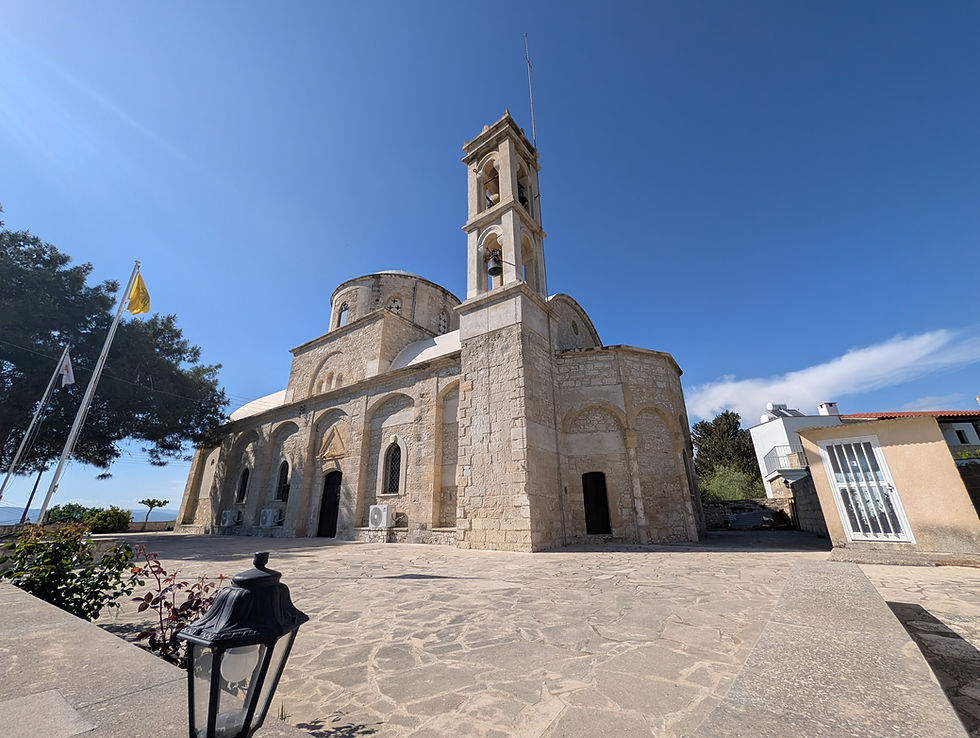
It is a place where eagles soar, and where the rare, elusive mouflon—a goat-come-deer indigenous to Cyprus—lurks in the loneliest highland coombes. We braved 20 miles of dirt tracks high into the Tillyrian wilderness to visit a magical glade called Cedar Valley. Turning a corner into a steep valley, we found ourselves surrounded by Cedrus brevifolia, an aromatic cedar unique to the island, in a setting that looked more like a prehistoric film set than anything Hollywood could construe.
The Timeless Appeal of the Cypriot Escape
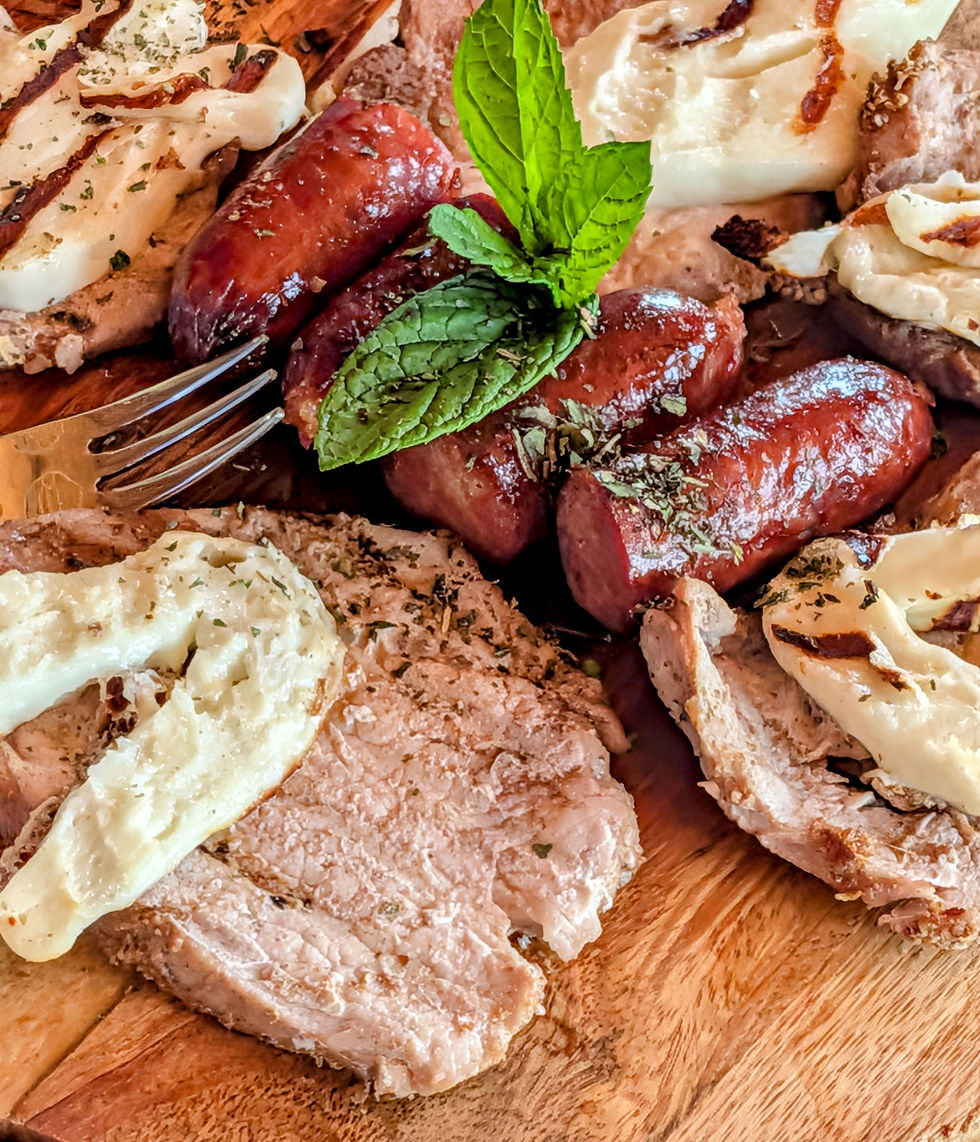
Even the food back then was an adventure of epic proportions. I still vividly remember a gargantuan lunch in a remote mountain village, where bearded priests sat in the shade and watched as we devoured a seemingly endless meze production line: stuffed aubergines, lamb in mint, pork in coriander, fried halloumi, squid, and that somewhat dubious Cypriot speciality—the slippery spud boiled in oil. It took the four of us three hours to consume, costing less than £20 including drinks.
Decades have passed since that winter holiday. Some of the island's major resorts have gone development-mad in their endeavours to lure the tourists, and the planners have had to fight hard to keep the historic charm of Paphos intact.
Yet, as my recent travels prove, if you are willing to leave the resort bustle behind, the secret north-west of Cyprus remains exactly as it was. It is still an island where you can stand in a lonely mountain forest or a hidden coastal cave, completely untamed by modern development, and find a slice of timeless Mediterranean magic.

Cyprus FACT FILE
Martin and fellow members of the British Guild of Travel Writers were guests of Constantinou Bros Asimina Suites Hotel and the Paphos Tourist Board. Prices from only £1399 per person for 2 people sharing a Junior Suite Land View on bed and breakfast in the Asimina Suites Hotel, for Gatwick departures for 7 nights in June and includes 22 Kg luggage allowance and private transfers - available through Jet2Holidays www.jet2holidays.com
Website: https://www.Asimina-CBH.com/
UK sales office 01924 380 160
The Constantinou Bros Hotel Collection also includes Athena Royal Beach Hotel, Pioneer Beach Hotel and the family friendly Athena Beach Hotel, all located along the Paphos shoreline. Flights to Paphos are available from a wide choice of UK airports with Jet2.
Jet2 has a new flight from Gatwick and regular flights from many regional airports.

Frequently Asked Questions: Visiting Wild Cyprus & The Akamas Peninsula
What is the best time of year to explore the Troodos Mountains and Akamas Coast?
Spring (March to May) is ideal for wild coastal walking, wild flowers, and pleasant temperatures before the midsummer heat, while early spring often offers the contrast of snow on Troodos peaks with sunny days on the coast.
Do you need a 4x4 to explore the Akamas Peninsula?
While main roads to Latchi and the Baths of Aphrodite are paved, accessing deep tracks within the Akamas National Park requires a 4x4, boat excursion from Latchi harbour, or walking along marked coastal trails.
Where should you stay when exploring Western Cyprus?
Paphos serves as a fantastic coastal base with easy access to cultural sites and luxury hotels, while Latchi and Polis offer quieter village access to the wild northern coast of the peninsula.


